By Kuda Pembere
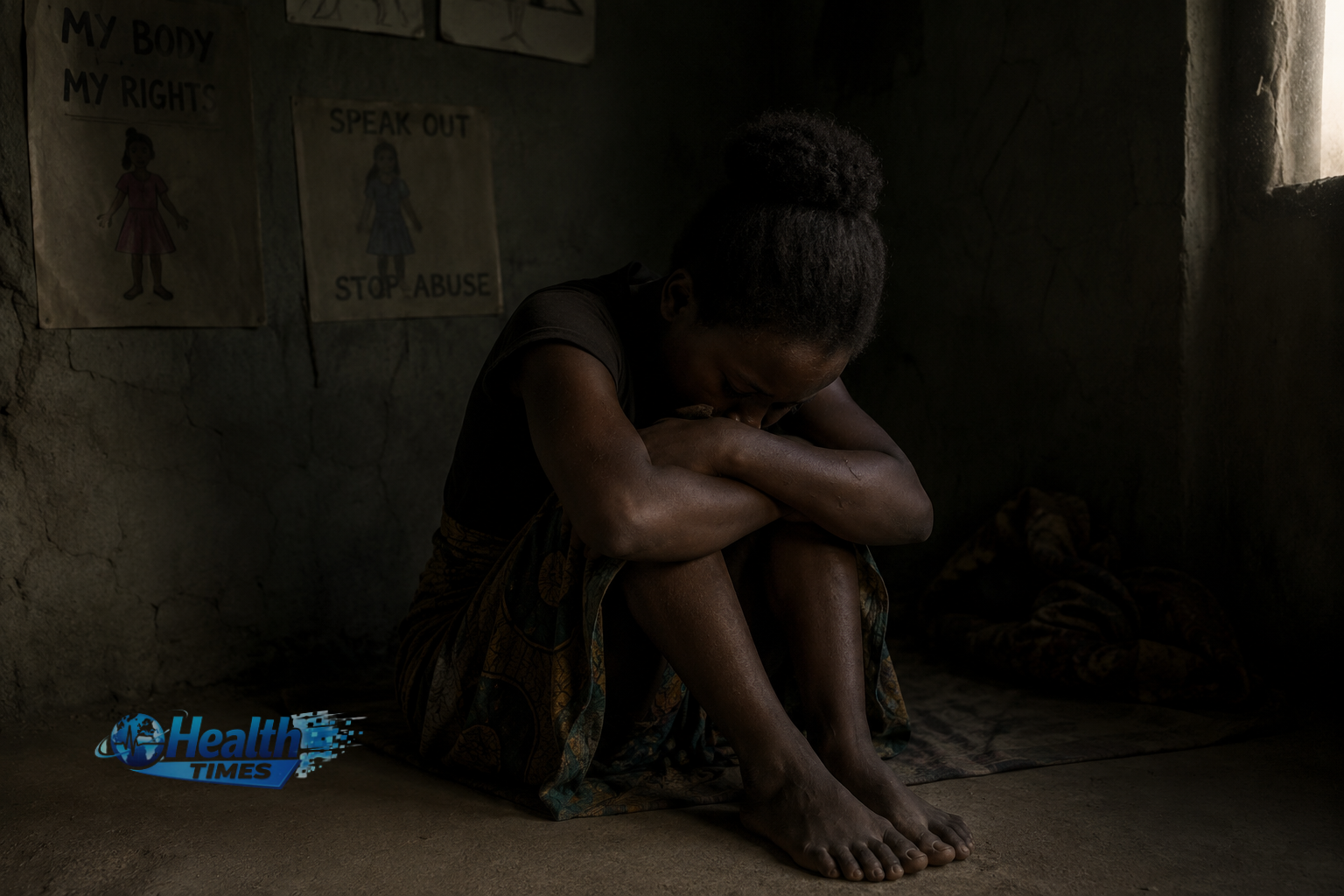
As Zimbabwe marks the 16 Days of Activism Against Gender Based Violence, with young women and adolescent girls increasingly facing online harassment, Government has pledged to protect young people from digital harm.
This was said by Permanent Secretary in the Ministry of Youth Empowerment, Development and Vocational Training, Solomon Mhlanga, while officiating at the 15th anniversary of the SAYWHAT National Students Conference on Tuesday.
“The Ministry of Youth Empowerment, Development and Vocational Training firmly believes in digital dignity and ensuring safe and equitable access to technology as well as protecting young people from online harm,” he said.
He also acknowledged the link between mental health and the challenges Zimbabwean youth, particularly university students, are facing.
“We understand the correlation that exists between digital dignity, gender-based violence, drug and substance abuse and mental health. And we are committed to addressing the silent crisis affecting our campuses and communities for improved health and education outcomes where every young person can learn and live without fear,” Mhlanga said.
Reflecting on the presentations made during the event, Mhlanga noted that the challenges facing students are shared across borders.
“As we celebrate this crucial vision, I am pleased that this gathering has transcended national boundaries. The presence of young people from partner countries Botswana, Malawi, Namibia and Zambia reminds us that the challenges students and youth face are not confined by borders,” he said.
“They are regional challenges that require regional solidarity and shared solutions. Your presence here enriches this dialogue and strengthens our collective commitment to youth empowerment across Southern Africa. As the Ministry of Youth Empowerment, Development and Vocational Training we stand with Zimbabwean students as well as our students from the SADC region as a common vision of health, education, dignity and opportunity.”
He commended SAYWHAT for bringing students from several SADC countries together under one roof.
“What is being done by SAYWHAT is highly commendable as you are clearly geared towards operationalising the National Youth Empowerment Strategy which was launched last month by His Excellency the President. Your focus on building a healthy youth population is greatly appreciated. Health and well-being has already been highlighted by the speakers and remains one of the key pillars of our National Youth Empowerment Strategy,” Mhlanga said.
Canadian Ambassador to Zimbabwe, Adler Aristilde, said his country remains committed to supporting youth led initiatives.
“We commit to continue working with Zimbabwean partners to create safe spaces, advance legal reforms and support youth-led initiatives tackling gender-based violence, mental health and digital safety.
“And initiatives that address women and girls as well as men and boys. Canada has partnered with civil society to develop and roll out the model and benchmarking policy on anti-sexual harassment for universities and colleges in learning institutions,” he said.
The Ambassador also shared statistics that reveal the depth of challenges faced by students.
“We affirm on this day a shared vision, a Zimbabwe and a world where every person, every young person is healthy, is empowered to learn and thrive, and is free from violence. The urgency of this vision is clear if we consider these realities and some statistics we will likely hear a lot during the 16 Days.
“One in three women in Zimbabwe experiences physical violence, one in four experiences sexual violence. Sexual harassment remains widespread in colleges yet reporting mechanisms are often absent. Mental health challenges are rising.
“Over 35 percent of university students face depression or anxiety but only 16 percent access mental health services while economic stress and substance abuse compound the crisis. Ninety percent of students report a lack of institutional mental health support. Many of the same issues exist elsewhere in the region and to some extent in Canada.
“We are also seeing digital spaces amplify harm through cyber-bullying, online harassment and image-based abuse often targeting young women and deepening psychological distress as has been discussed by many on both panels.
“Gender-based violence, mental health challenges and digital harm are interconnected. Addressing them holistically is essential for student well-being and for national development. This conference, celebrating its crystal jubilee, symbolises resilience and clarity in advocacy,” Aristilde said.
SAYWHAT executive director, Jimmy Wilford, urged Government to strengthen the integration of evidence gathered by young researchers into national policy processes, saying youth-driven findings are now central to addressing emerging social and health challenges.
“As you can see, in as much as we are celebrating the Crystal Jubilee, it is important for us to note that there are many challenges when it comes to the students’ welfare. Issues to do with drug and substance abuse.
“I recently received a phone call from a friend whose daughter is now into betting. And she is a law student at one of the universities. But the mother was concerned and asked what can we do. She is now addicted to betting,” he said.
“Believe you me, it is a new challenge that we are facing. This challenge was not there in 2006 when we had to talk about digital combat. We did not have many cell phones in 2006 and 2003. But it is now 2025. So challenges are always emerging that are affecting young people. This platform remains very critical.”