By Maceline Mukwamba, Director, Adult Rape Clinic
By the time a girl or woman gathers the courage to report rape, the clock has often already worked against her. Research in Zimbabwean communities finds that the majority of sexual abuse goes unreported, with cultural norms, fear of stigma, and protective attitudes toward perpetrators cited as major barriers to reporting. Such delays are not accidental; they reflect entrenched social norms, victim-blaming, and limited public awareness about post-rape services and legal protections.
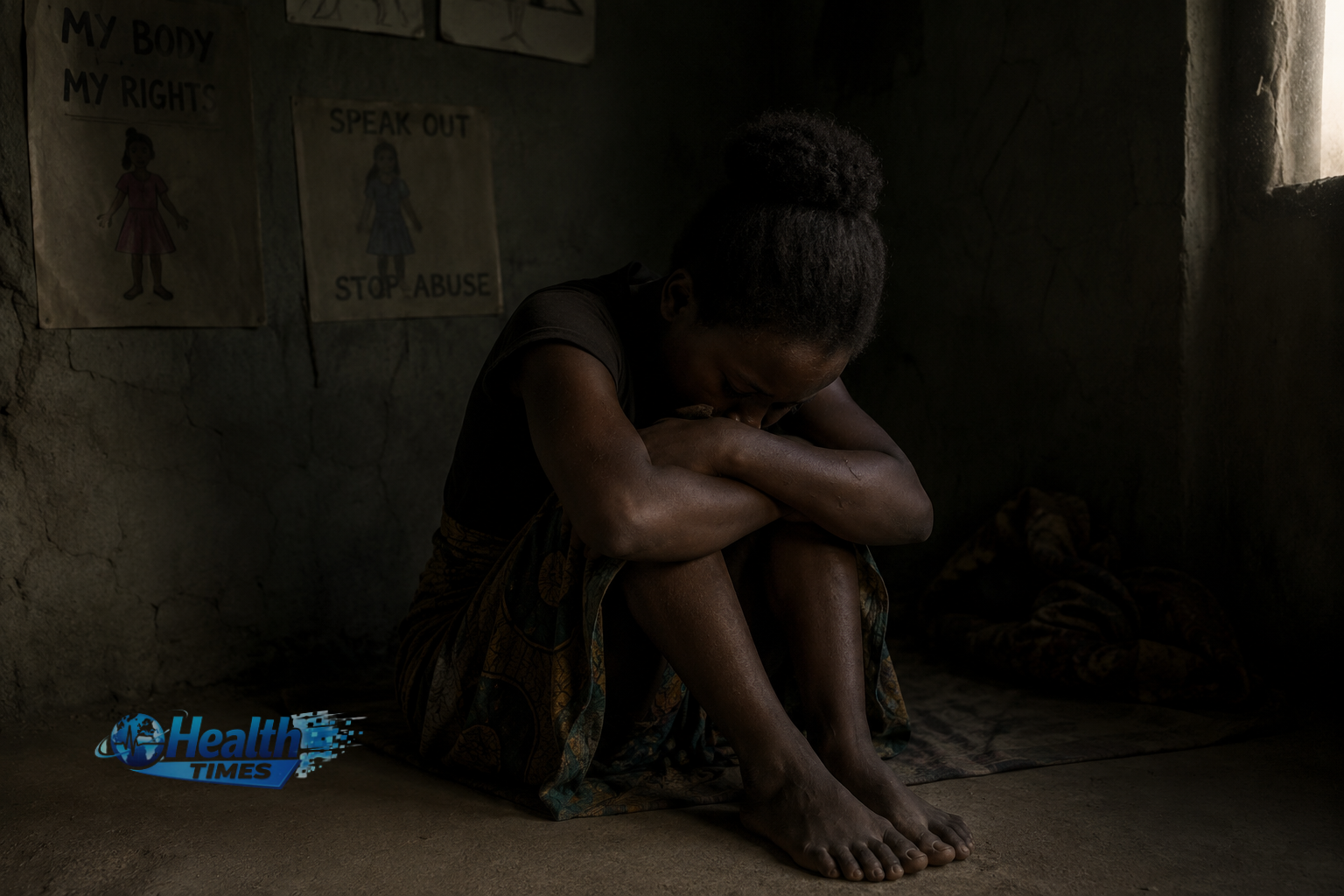
Survivors, especially adolescents, are frequently trapped between trauma and social judgment, unsure of where to go, whom to trust, or whether they will be believed. This reality has devastating consequences, particularly when it comes to preventing HIV, sexually transmitted infections (STIs), and unwanted pregnancy, and later accessing safe and legal termination of pregnancy (TOP) when pregnancy results from rape or incest.
Medical evidence and Zimbabwean health guidelines emphasise that the first 72 hours after sexual assault are critical. During this window, survivors can access post-exposure prophylaxis (PEP) to prevent HIV, emergency contraception to prevent pregnancy, prophylaxis and treatment for STIs, and forensic examinations that support both health care and justice.
However, low reporting and delayed presentation to health facilities mean many survivors miss this critical window. Fear of being blamed, threats from perpetrators, family pressure to remain silent, and simple unawareness of services all contribute to late presentation. In some cases, families attempt to “resolve” rape through informal negotiations with perpetrators, often prioritising social reputation over the survivor’s well-being. By the time help is sought, pregnancy may already be established, rendering emergency contraception ineffective.
For survivors who conceive as a result of rape or incest, pregnancy is not a blessing; it is a daily, embodied reminder of violence. Girls and women describe overwhelming feelings of shame, guilt, and self-blame. Many internalise community stigma, believing they are somehow responsible for the assault. Others face rejection from families, schools, churches, or intimate partners. Adolescents may be forced to drop out of school, derailing their education and future economic independence. Adult women may see professional opportunities disappear under the weight of an unplanned, traumatic pregnancy.
Mental health impacts are severe and include depression, anxiety, post-traumatic stress disorder (PTSD), and suicidal ideation, which are common when survivors are denied agency over their bodies and futures. Pregnancy is not static. From conception, foetal development progresses rapidly, and each week matters. Zimbabwe’s Termination of Pregnancy Act permits termination of pregnancy under specific conditions, including pregnancy resulting from rape or incest, provided legal and medical requirements are met within permissible gestational limits.
Accessing services early allows survivors to undergo safe, medical termination of pregnancy, which is significantly safer, less invasive, and less psychologically distressing than later procedures. Early access also reduces medical risks and enables survivors to begin emotional recovery sooner. Delays, however, push pregnancies beyond what the law permits. When this happens, survivors are often left with limited and painful options, such as carrying a pregnancy they never chose, navigating complex and emotionally taxing adoption processes, raising a child with no support, and enduring lifelong trauma linked to forced motherhood.