
By Michael Gwarisa
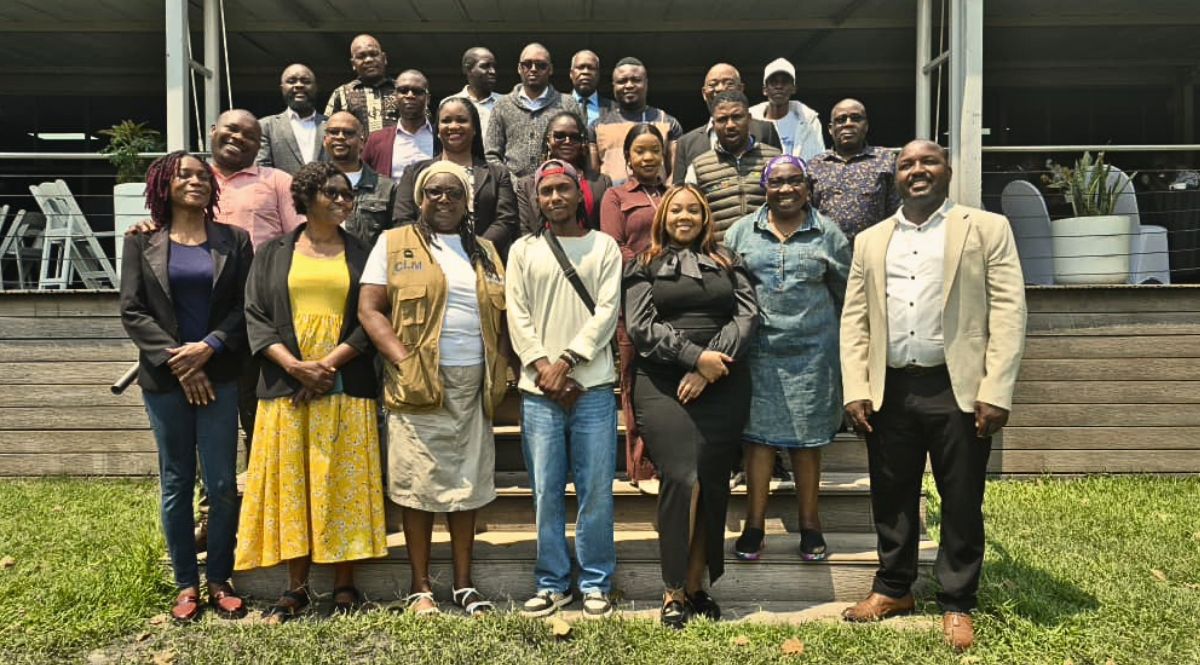
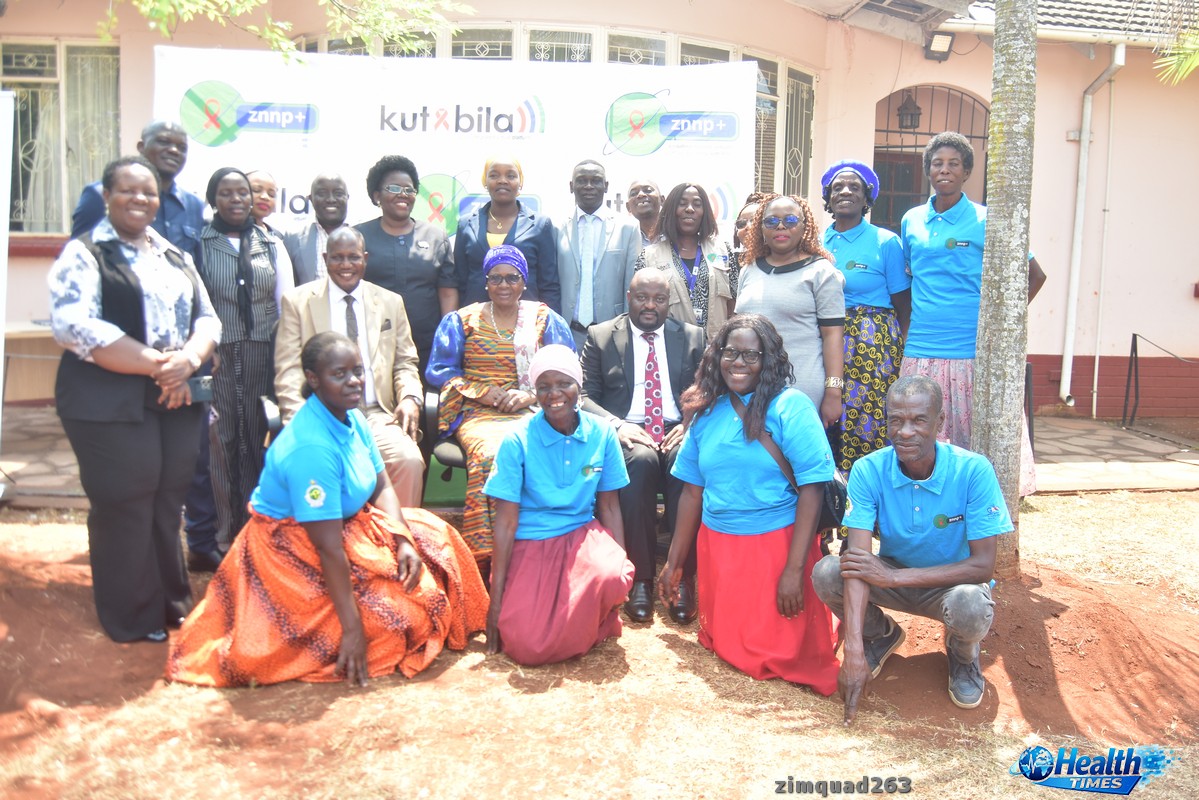
Zimbabwe has strengthened its frontline disease surveillance capacity with the graduation of 44 health workers from the Zimbabwe Field Epidemiology Training Programme (ZimFETP). The three-month training targeted officers stationed at ports of entry and epidemiologists working within city health departments, equipping them with practical skills to detect, investigate, and respond swiftly to outbreaks.
Of the graduates, 20 were drawn from land borders and international airports while 24 came from city health departments across the country. The training was designed to close gaps in disease detection and response that have been highlighted by recent outbreaks, including cholera, measles, and mpox.
Speaking at the graduation ceremony, Dr. Stephen Karim, Deputy Director for Epidemiology and Disease Control in the Ministry of Health and Child Care, said strengthening human resources at borders and city councils was critical for safeguarding national health security.
Strengthening capacity at points of entry and in city health departments is central to Zimbabwe’s ability to meet the joint external evaluation core capacities,” said Dr. Karim.
He noted that borders act as conduits for international transfer and transmission of diseases, while urban health jurisdictions are increasingly becoming “playgrounds for outbreaks.”
He cited the country’s recent experience with mpox as an example of how rapid detection and response can prevent wider spread.
“You might recall that on October 12 we had our first mpox positive case. By October 13 the minister was announcing to the nation, and by the 14th response activities were already in full motion,” said Dr. Karim.
He praised the graduates for their commitment and said the skills acquired would help prevent local outbreaks from escalating into national or global health emergencies. He applauded their presentations on data quality assessments and surveillance projects, which he said showed “the ability to transform raw data into evidence-based recommendations.” He also acknowledged the US Centers for Disease Control and Prevention (CDC) for its financial and technical support. Through CDC’s input, the training incorporated context-specific case studies rooted in Zimbabwe’s health system realities, ensuring the graduates were prepared for real-world challenges. “These outputs demonstrate not only the technical competence of graduates but also their readiness to contribute meaningfully to health system strengthening,” he said.
Dr. Karim emphasized that the graduation was part of a broader drive by the Ministry of Health to institutionalize workforce development as a pillar of national health security. Support from partners such as the Global Fund and the Pandemic Fund will ensure additional frontline trainings are rolled out in the coming years.
Dr. Amy Paterson, CDC Associate Director of Science, highlighted that the Frontline Field Epidemiology Training Programme (FETP) was launched in Zimbabwe in 2015 as part of global efforts to expand public health workforce capabilities. “This programme continues to strengthen the public health capacity in Zimbabwe to detect, prevent, and respond to public health threats through each one of you graduates,” she said. She stressed that the training aligns with the International Health Regulations (IHR), which require countries to maintain core capacities for surveillance and response, especially at points of entry. “With a focus on detecting emerging threats such as monkeypox and enhancing the capacity of city health departments, you represent the flexibility of this training approach to strengthen public health capacity at all levels,” Dr. Paterson said.
Tsitsi Juru, Assistant Field Coordinator for ZimFETP, said the programme has created a growing cadre of frontline “disease detectives” who can quickly spot and respond to outbreaks across provinces and districts.
[pullquote]”We have to understand that diseases know no boundaries. From a frontline perspective, those manning our ports of entry must be able to pick up diseases as they happen and respond earlier to protect our communities,” said Juru.[/pullquote]
She added that city health departments also play a crucial role in analyzing data and making informed decisions to contain threats before they spiral out of control. The ZimFETP was first introduced in 1993 as a collaboration between the Ministry of Health and Child Care and CDC, aimed at sustaining Zimbabwe’s public health human resource base. The frontline training is the latest addition to the programme, targeting health workers at the subnational level.
Representing city health departments, Dr. Daniel Chirundu, Director of Health Services in Kadoma, congratulated the graduates and underscored the importance of safeguarding both urban health systems and national entry points.
“You are no longer just health workers. You have become frontline epidemiologists equipped with skills that will help you in your day-to-day work. You now have more insight and resilience to protect our communities and save lives,” said Dr. Chirundu.
He noted that while major city councils had benefitted from the training, smaller local authorities were yet to be fully integrated.
Plans are underway for city councils to fund additional trainings to ensure wider representation. Dr. Chirundu said the skills acquired—such as case investigation, outbreak response, data quality audits, and communication—are “the lifeblood of epidemiologists” and would strengthen Zimbabwe’s resilience against health emergencies.
Partners and facilitators were also commended for mentoring the graduates. Dr. Karim reminded the trainees that their role extends beyond border posts and urban councils, positioning them as the “frontline guardians” of public health. “You are the frontline defenders of our people’s health at our borders, in our metropolitan cities, and within our communities. I urge you to apply these skills diligently, uphold the highest standards of service, and continue passing the skills to others,” he said.