By Kudakwashe Pembere
The Medicines Control Authority of Zimbabwe (MCAZ) has responded to concerns raised by players in the pharmaceutical supply chain by agreeing to review pharmacist licensing fees and consignment verification charges for human and animal health products.
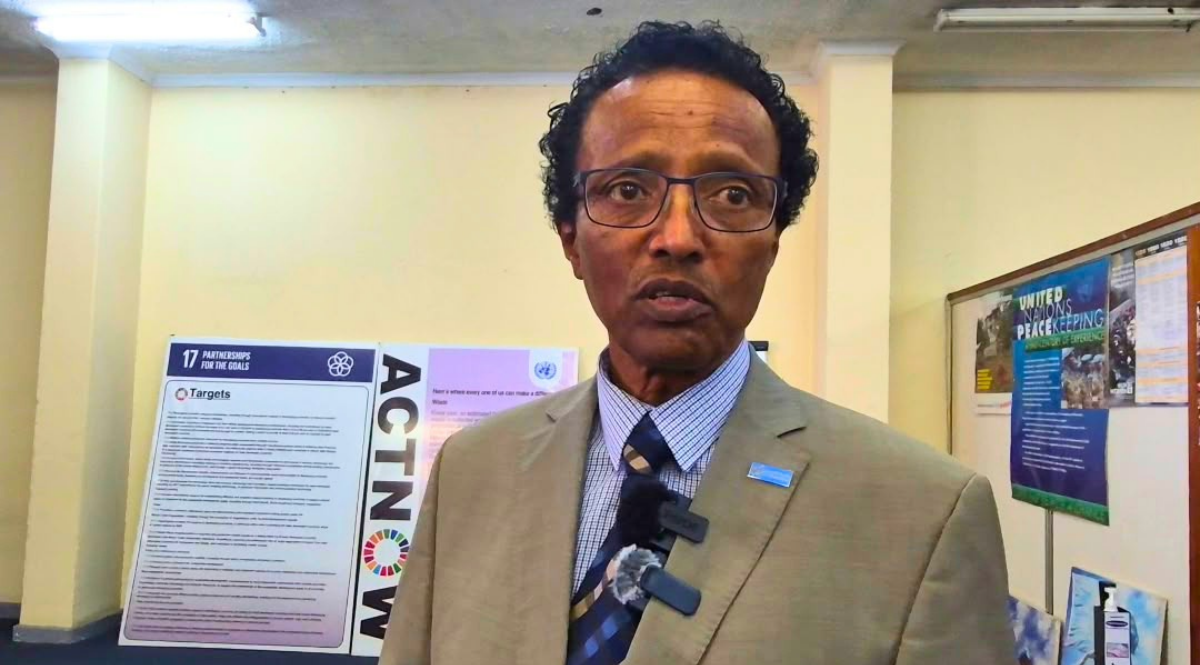
Speaking during an Ease of Doing Business stakeholder meeting convened by the Authority, MCAZ Director General Mr. Richard Rukwata said the concerns raised by the industry were valid and would be addressed.
“This issue is doable. I think we can definitely rationalize that to a marginal fee less than half of the current value,” Rukwata said. “We obviously can’t give you a figure yet, but in the spirit of a minimalist fee that serves the legislative process, we can perhaps reduce it from the current US$50 to around US$10. That one is clearly a pain point, and the arguments raised are valid.”
He explained that pharmacists should not have to pay high fees to perform tasks for which they are already trained.
“Pharmacists are trained to dispense. There’s no reason why they should pay an expensive fee to do what they are qualified to do. It might be different for a professional whose primary responsibility is not dispensing. If you are a prescriber, you shouldn’t have to pay more to prescribe,” he said.
Rukwata added that those who want to dispense in addition to their regular duties should contribute to supporting the pharmacists’ role.
“But if you want to dispense, then subsidize the one who is supposed to be dispensing because you are encroaching onto their turf. So this applies to both pharmacists and other professionals. I think we can actually make that work,” he said.
Chairperson of the Community Pharmacies Association of Zimbabwe (CPAZ) Mr. Patrick Munamba welcomed the Authority’s move, describing the review as long overdue.
“Yes, this review was a welcome development. We have been crying for this for too long because we are the pharmacists,” he said. “We are trained to do that. You cannot just say pay something which is part of your job description. We cannot pay for that.
“So we are happy that our MCAZ has heard us. They showed concern and demonstrated that they are willing to listen. It’s a big relief for us, from US$50 to US$10 is significant. And it’s not just about money, it’s about the principle. We were saying, why are we paying it? This is our job, and we just need to practice it. So that was welcome,” Munamba said.
Turning to the issue of verification fees charged on pharmaceutical imports, Rukwata said the fees, which had increased from 0.5 percent to 2 percent, could also be reduced, but warned that such a move would have financial implications.
“I will objectively explain and make a proposal,” he said. “If 90 percent of our products are imported, it means that the impact of our activities will lean towards that. So it’s not a mistake that the largest funders of the Authority are importers and manufacturers. The other 10 to 15 percent, mainly retailers and community pharmacists, perform critical functions, but their contribution to the regulatory framework is smaller.”
He noted that local manufacturers had not raised major complaints since the government launched the Pharmaceutical Manufacturing Strategy in 2021, spearheaded by then Health Minister and now Vice President Dr. Constantino Chiwenga and Industry Minister Dr. Sekai Nzenza.
Rukwata warned that reducing the verification fee could affect MCAZ’s operational gains, such as improved licensing processes.
“So yes, we can revert to 1 percent,” he said. “But as your CEO, I must say the consequences will be felt by everyone. I’m here to listen and act on the industry’s wishes, but I also need your support when the pain comes, because it will be painful.”
He emphasized that the painful decision should be collectively owned.
“I would like this to be your choice. And it can’t just be those paying the fee because this will affect everyone,” he said. “As Dr. Shumba pointed out earlier, yes, we appreciate cost-cutting efforts by MCAZ, but we also have concerns with the process. So let’s balance both sides carefully.”