By Kudakwashe Pembere
Scrapping the permit for trading in veterinary products is akin to shooting oneself in the foot, pharmaceutical industry experts have warned.
This follows Cabinet’s decision to cancel permits previously issued by the Medicines Control Authority of Zimbabwe (MCAZ).
Information, Publicity and Broadcasting Services Minister Dr. Jenfan Muswere announced the decision at a post-Cabinet briefing last week.
“Cabinet approved the consolidation of fragmented licensing requirements into a single license, the streamlining of duplicative and overlapping licences and permits, the removal of unnecessary levies and fees, and the lowering of high levies and fees for the wholesale and selected major retail sub-sectors comprising the wholesale sector, supermarkets and groceries, meat and meat products retail shops and butcheries, clothing shops, and furniture shops,” he said.
“Cabinet approved the following selected reviews… The Medicines Control Authority of Zimbabwe permit pegged at US$200 for trade in veterinary products is to be totally removed.”
However, experts who spoke to HealthTimes on the sidelines of an Ease of Doing Business stakeholder meeting convened by the Authority said removing the permit could worsen the spread of falsified animal medicines and fuel antimicrobial resistance (AMR).
Dr. Mildred Shumba, chairperson of the Animal Health Industry Committee, said the decision was “a recipe for disaster.”
“We already have a lot of falsified medicines on the market, especially in the animal health sector, which is open to everyone,” she said. “If you want to open your Veterinary Medicine General Dealer outlet, you just pay your US$200 and go ahead. But I can assure you, most people dealing in animal health medicines are not licensed.
“So imagine now if the US$200 fee is scrapped, it’s going to be a total disaster. We also have antibiotics that are not prescription medicines, which can be bought over the counter. Considering the antimicrobial resistance issues around that, we are shooting ourselves in both feet, not one.”
She added that instead of scrapping the fee, the government should strengthen systems and ensure only qualified people are allowed to trade.
“We need to keep the fees and streamline the process so that only people with the right knowledge are allowed to sell veterinary medicines, not just open it up to everyone,” she said.
Council of Veterinary Surgeons Registrar Dr. Fungai Chikodze said while the move might increase access to medicines for farmers, it could come at a cost to public health.
“The pronouncement about scrapping the Veterinary Medicine General Dealer permit is a double-edged sword,” he said. “We understand the need to make medicines more accessible to farmers, but we also worry about antimicrobial resistance. Some products in the VMGD category include antibiotics such as oxytetracycline, which is related to human antibiotics like doxycycline.”
He explained that AMR results from misuse and overuse of antibiotics.
“When a product becomes available over the counter, farmers can access it without a veterinarian examining the animal or giving a proper diagnosis,” he said. “When medicines are that easily available, we risk accelerating the development of antimicrobial resistance.”
Dr. Chikodze noted that studies globally, including in Zimbabwe, have shown growing resistance to antibiotics such as oxytetracycline.
“It’s a double-edged sword, and perhaps we need to go back to the drawing board,” he said. “We should promote ease of doing business, but also put safeguards that protect animal and public health. We consume a lot of animal products such as milk, eggs, and meat. If antibiotics are used without supervision, withdrawal periods may not be observed, and consumers could be exposed to drug residues.”
Community Pharmacies Association of Zimbabwe (CPAZ) chairperson Mr. Patrick Munamba said the move could ease the cost of doing business but warned it might compromise human health.
“Zimbabwe is well known for maintaining high pharmaceutical standards,” he said. “Some of our neighbours are struggling to enforce regulations. While reducing business costs is good, we must not lose sight of fundamental health priorities. This is not just an ordinary market.”
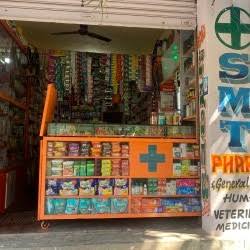
Munamba also expressed concern about the mushrooming of Veterinary Medicine General Dealers and pavement vendors selling animal medicines without oversight.
“Right now we are facing a serious problem of antimicrobial resistance. One of the causes is misuse of medicines in animal health,” he said. “Veterinary medicines are being sold everywhere, even on the streets. We must ask ourselves what we are doing to manage AMR. Some measures are not strong enough to control the situation.”
He added that while engagement between industry and regulators was positive, public safety must remain central.
“Yes, some people may feel burdened, but it’s important to understand why some fees exist,” Munamba said. “At the end of the day, the biggest stakeholder in health is the public. If the public is not safe, then we have failed.”
MCAZ, which is mandated to safeguard human and animal health, says it is concerned about the rising trade in falsified and substandard veterinary products.
MCAZ public relations officer Mr. Davidson Kaiyo said the Authority’s role is to protect both human and animal health by ensuring that all medicines are safe, effective, and of good quality.
“One area we have noted with concern is the increase in falsified and substandard veterinary medicines,” he said. “Some of these products are being sold outside the legal market, including in streets, flea markets, and other unregulated areas.
“Remember, the food that people eat comes from animals. If animals are given substandard or falsified medicines, those substances can end up in humans through consumption of meat, milk, or eggs. So this is not just an animal health issue — it is also a human health concern.”