
By Kuda Pembere
Following concerns from Parliamentarians that many students were failing to secure places in nursing schools, a top Health Ministry official says a quota system has been introduced. Under the system, 75 percent of recruited students must come from the district or province where the training school is located.
This policy is part of the decentralization of nurse training in Zimbabwe, which began last year.
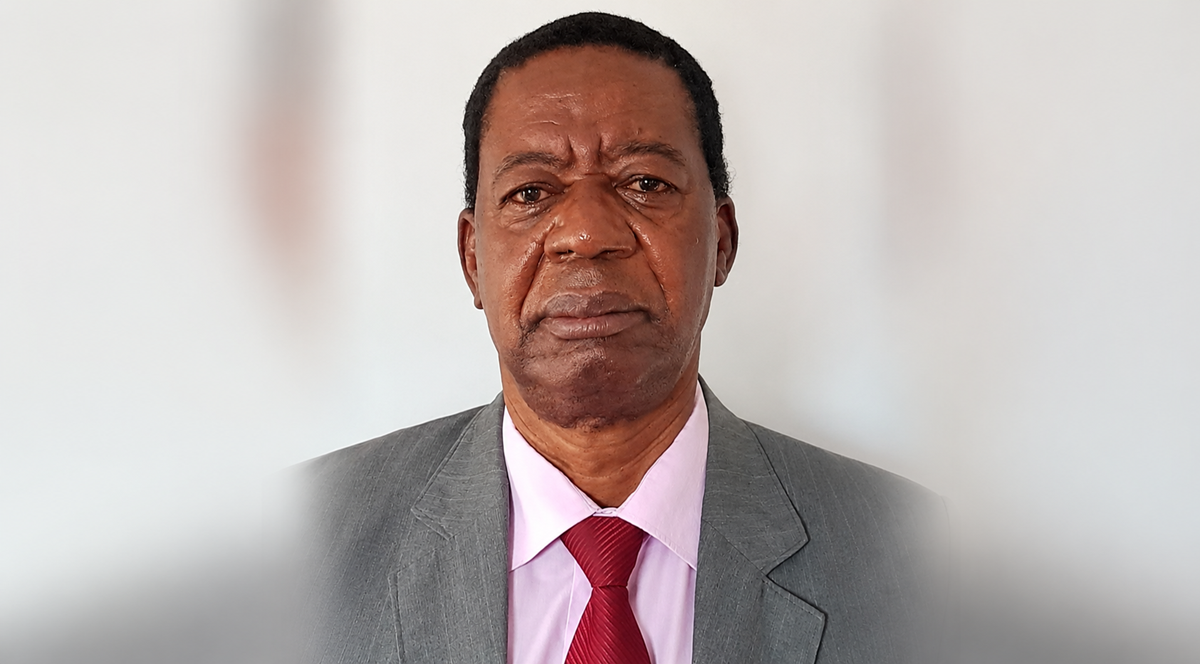
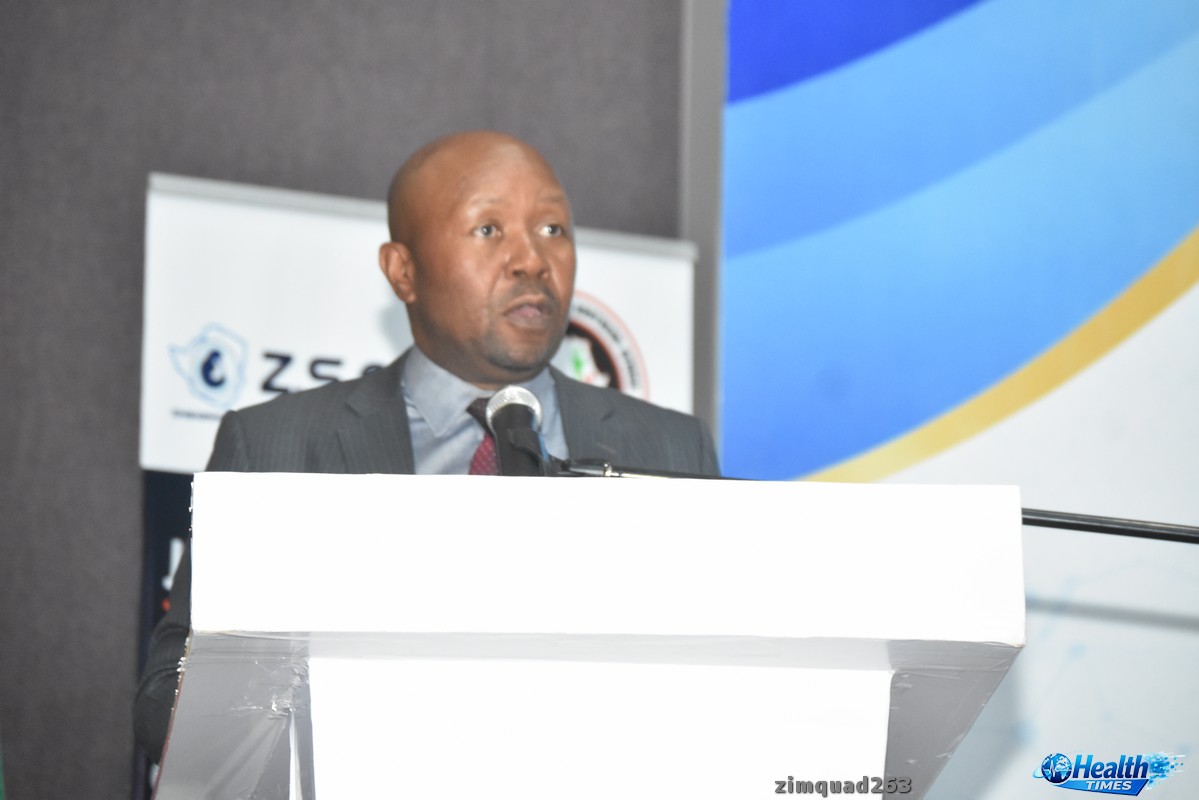
In an interview with HealthTimes, the Deputy Minister of Health and Child Care, Hon. Sleiman Kwidini, said implementation of the quota system started in May 2024.
“We started implementing that quota system last year in May,” he said.
The system aims to promote local representation, reduce external influence, and curb corruption. It follows reports that some aspiring trainees were coughing up to US$1,000 to secure placements.
Responding on Tuesday during a Question and Answer Session to Dangamvura legislator Prosper Mutseyami, who had asked what measures were being taken to address concerns that some regions were not having any students recruited for nursing, Hon. Kwidini said each region or province now has about three nursing schools.
“I want to thank the Hon. Member for the additional question. The truth of the matter is, I am not very sure of the region but as far as the Ministry is concerned, we have decentralised the nursing training. Each region has more than two schools of nursing training,” he said.
“After that, we have come up with a quota system where we say 75% of the students recruited from those areas are from the locals. So, I do not know about the regional areas where people are not even getting one person from that particular region to be recruited.”
He added that more nursing schools would be established in Matabeleland South.
“Definitely, if you take Matabeleland North, there is Tsholotsho, St. Luke’s and Nkayi. If you go to Matabeleland South, there is Gwanda, Hwange, Maphisa, which is coming and Tshelanyemba. When you come to the Midlands, there are plenty of places, so I do not know which region specifically is left out,” he said.
Hon. Mondi Sibanda further pressed the Deputy Minister on the policy requiring that 20 percent of trainees come through the Health Ministry’s head office.
“I want to thank the Minister for the response. My concern is around the quota system. There are guidelines that are there for the recruitment process and in those guidelines, it states that 20% should come from the head office. Mathematically, if that 20% is distributed across all our recruiting hospitals, you will find that the head office will have a bigger chunk. That is why he was saying, how then do we reduce the 20% to ensure that the number of students in that locality is increased,” Sibanda said.
However, Hon. Kwidini argued that the 20 percent head office allocation does not distort the recruitment process.
“I may be lost in calculation because if for example a school is taking 20 students, and the 20% from head office is two students, when head office has two, it means 18 will be from that particular locality. So, I am not sure how best we can work out that because the fact is, 20% from head office caters for various areas which also come to apply, especially to the MDS, which applies through the head office, while the local people apply at the school location,” he said.
“So, everyone is accommodated because there is no way out. We want to decentralise and expose cultural diversity that people from Mashonaland Central or one from Manicaland, then the whole 80% will be from that particular area. So, there is no way the head office can fill the whole school with people from the head office.”
More than 100,000 aspiring trainee nurses apply for places at training institutions across the country each year, against a limited national capacity of about 1,200 slots.
Official figures show that two of Zimbabwe’s largest training institutions, Sally Mugabe and Parirenyatwa Group of Hospitals in Harare, receive an average of 5,000 and 8,000 applications per intake respectively, yet their combined enrolment capacity is only 80 students. Both institutions run two intakes annually.
Other training facilities, including Mpilo Central Hospital, United Bulawayo Hospitals, and Ingutsheni Psychiatric Hospital in Bulawayo, can enrol about 40 students each year.