By Kuda Pembere
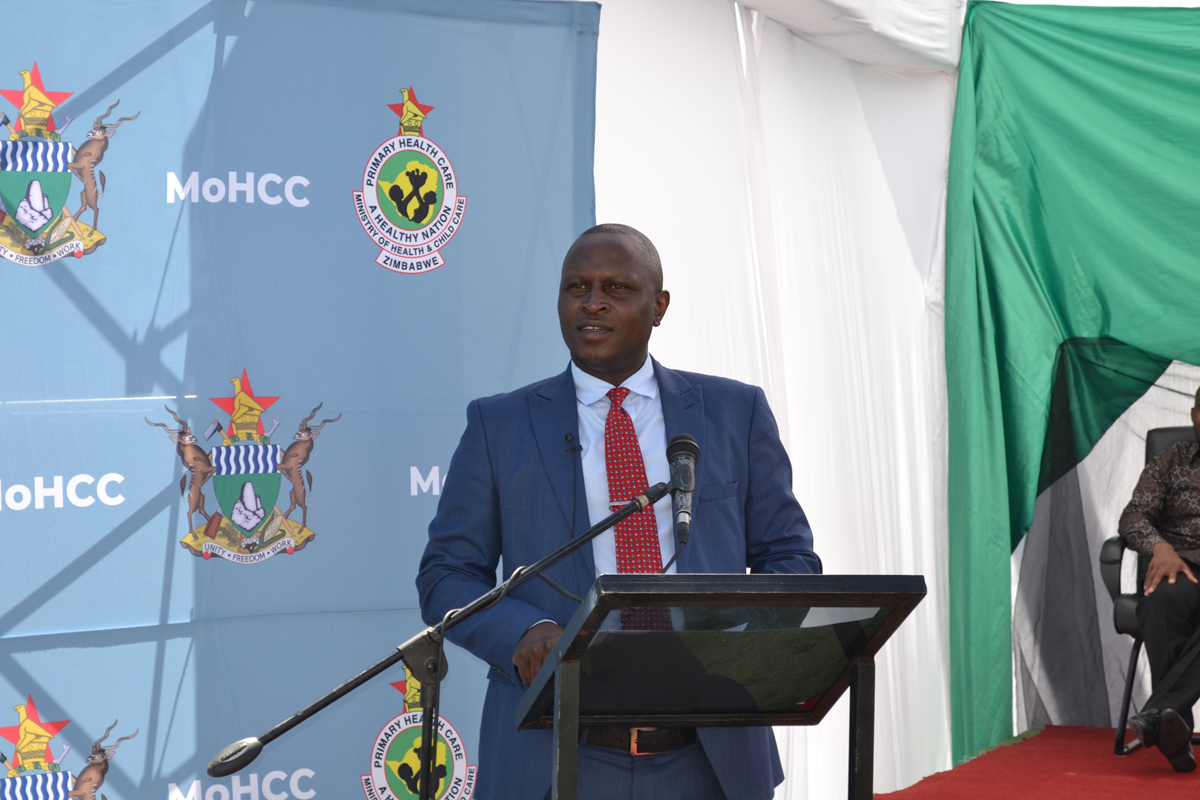
Harare is grappling with a Hand, Foot and Mouth Disease outbreak, with nearly 600 cases reported across the capital. As of November 20, City of Harare Epidemiologist Dr Michael Vere confirmed 575 cases, most of them concentrated in the Mabvuku-Tafara suburbs.
“Yes, indeed, we’ve been recording hand, foot and mouth disease cases throughout the city of Harare. These children, usually those under the age of 10, are presenting with blisters on the hands, feet, around the lips and inside the oral cavity,” Dr Vere said.
He noted that 90 percent of the cases involve children under the age of five. “So far we have recorded, as at the 20th of November 2025, 575 cases of hand, foot and mouth. Most of the cases are being reported from high-density suburbs, with a significant proportion from Mabvuku and Tafara, way more than 100,” he explained.
Dr Vere added, “As of today, according to our statistics, most of these children are under the age of 5 years. That is around 90 percent of them.”
The outbreak is not limited to Mabvuku-Tafara. “Most of the high-density suburbs, Budiriro, Mbare, Glenview, Kuwadzana, Mufakose, Waterfalls as well, even some of the medium-density areas like Braeside have also reported cases. So, it means generally the disease has spread throughout the city,” Dr Vere said.
Despite the spread, the epidemiologist reassured residents that the disease has a low fatality rate. “The fortunate thing is that this disease has got a very low case fatality rate and low complications as well. It usually presents as blisters on the mouth and inside the oral cavity, affecting the child’s ability to eat. It also presents with blisters similar to chickenpox on the hands and feet,” he said.
Complications are rare. “Rarely do we have complications or fatalities. The few complications are secondary bacterial infections to the blisters or sores, and some might have a sore throat with secondary bacterial infection. But complications are rare. We encourage that most of these children can be managed at home symptomatically. If somebody has a fever, they can be managed for the fever. If they have itchiness, they can be managed for that itchiness,” Dr Vere explained.
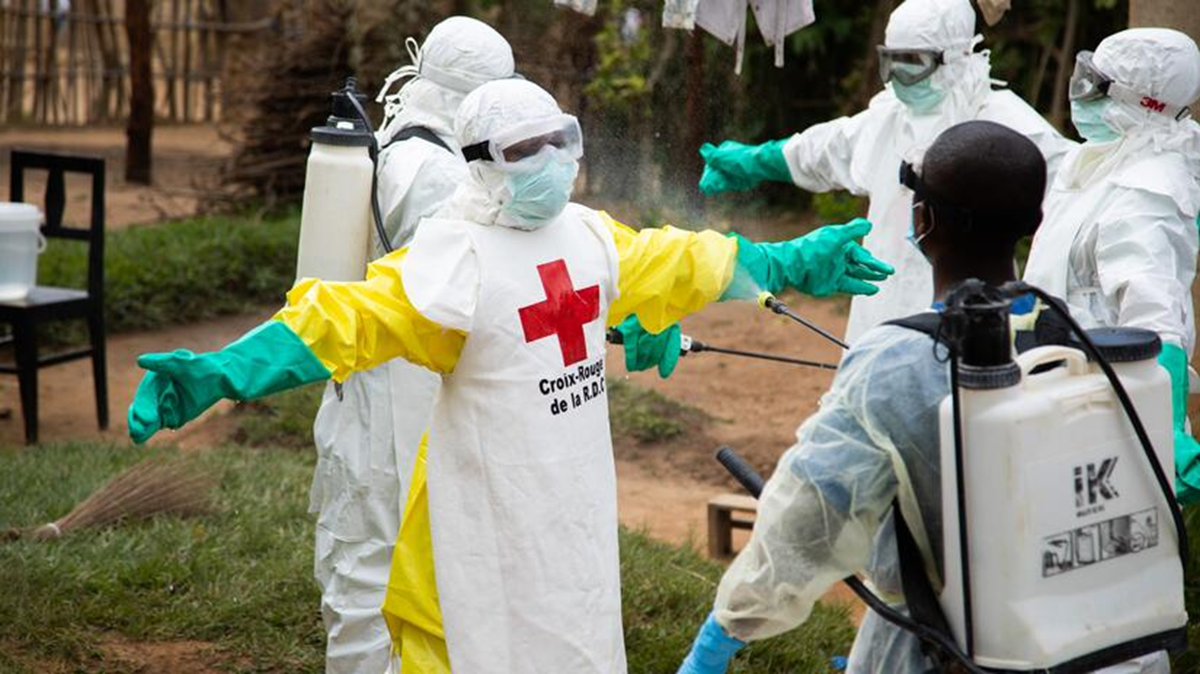
He stressed the importance of prevention. “This disease is spread through droplet infection or direct contact. If somebody coughs or sneezes within a metre from someone who is not infected, they might also get the disease. Those infected may leave the virus on surfaces, and if someone else touches that surface, they can get infected. So, it is important to clean surfaces with any available over-the-counter detergents to prevent the spread. Unfortunately, there is no vaccine currently available. Prevention is better than cure,” he said.
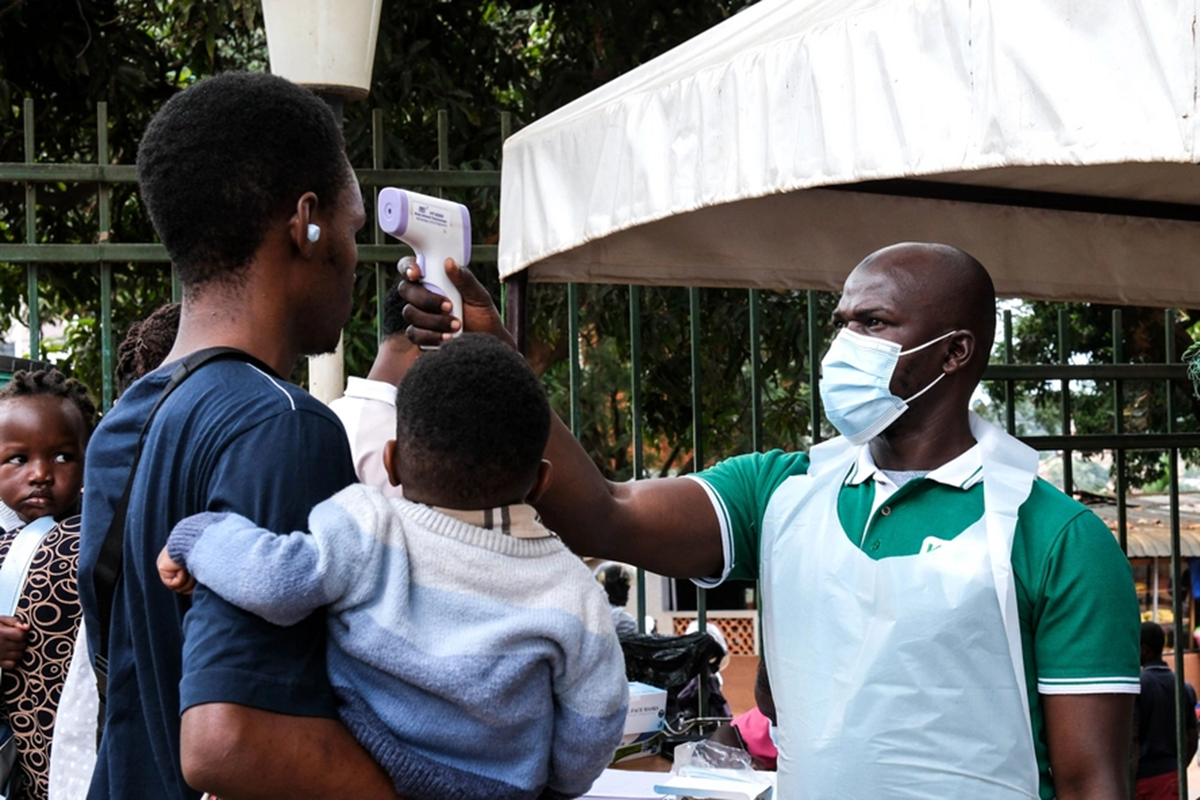
The City of Harare is urging residents to seek medical attention. “We’ve got more than 40 local clinics in Harare. Please visit the nearest clinic if your child has symptoms so they can be recorded in our database and given treatment for the symptoms they may be exhibiting. All our clinics are ready to receive and manage hand, foot and mouth disease cases,” Dr Vere added.