Kuda Pembere
Children and adolescents living with HIV in Zimbabwe who are being treated with dolutegravir are unlikely to experience excessive weight gain or unhealthy fat build-up, a major international study published in The Lancet Child & Adolescent Health.
The findings come from the ODYSSEY trial, a large, long-term randomised study carried out in eight countries, Zimbabwe included. The other seven countries were Germany, Portugal, South Africa, Spain, Thailand, Uganda, and the UK. Of the 707 children weighing 14 kilograms or more who were enrolled, 146 were recruited locally, placing Zimbabwe among the study’s key African contributors.
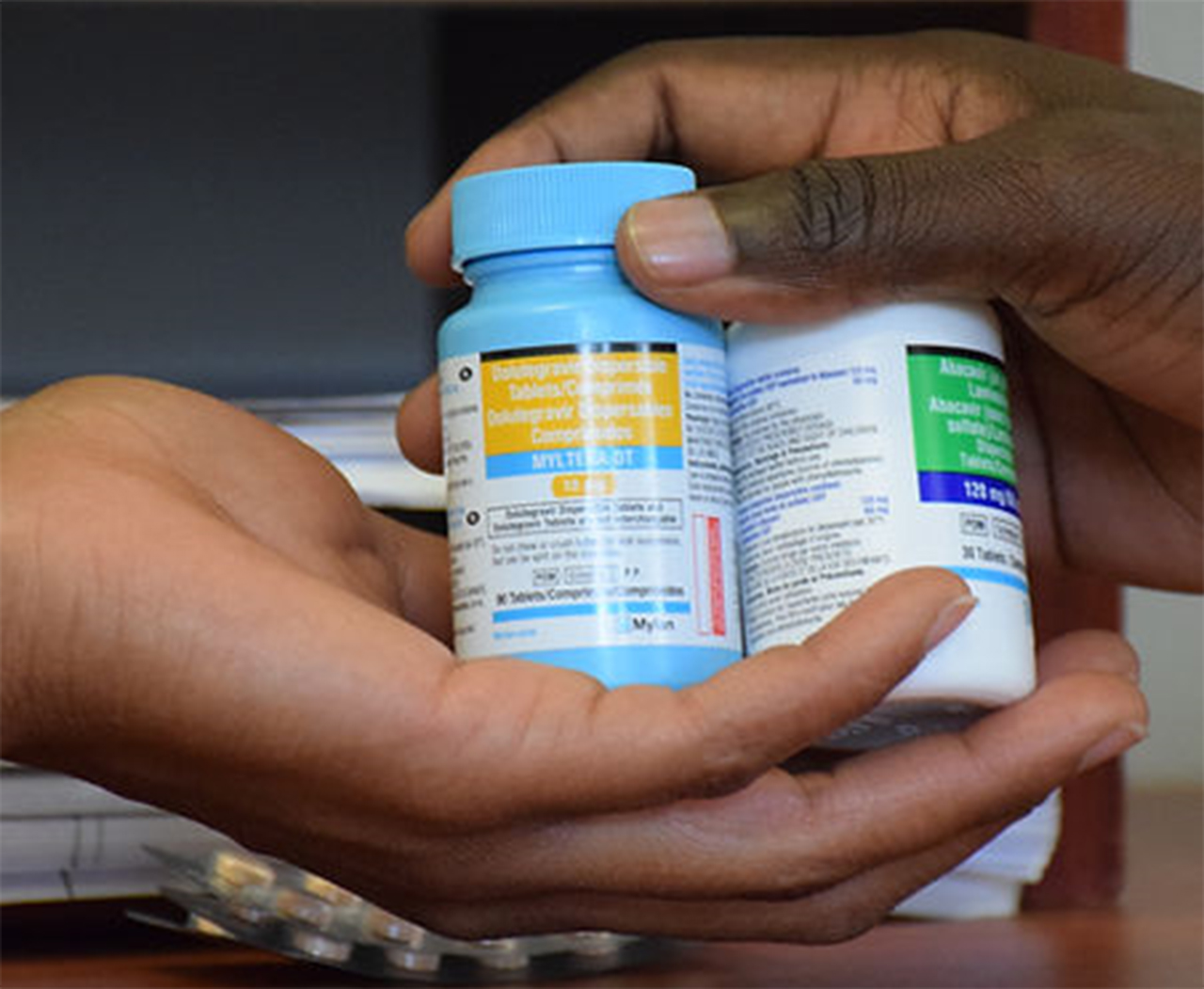
Dolutegravir is the World Health Organization’s (WHO) preferred HIV treatment widely used in Zimbabwe’s public health system. However, concerns have been raised globally after some studies linked the drug to weight gain, particularly among Black patients. Researchers say the latest evidence should ease those fears, especially for countries where dolutegravir is central to paediatric HIV care. The research was conducted from 2016 to 2021.
“Over approximately five years, indices defining excessive weight gain and central adiposity were similar with dolutegravir and other anchor drugs,” the study authors said.
They added that “lipid and glycaemia profiles with dolutegravir were reassuring, providing supporting evidence for dolutegravir-based antiretroviral therapy as the preferred treatment in children and adolescents.”
Children and adolescents in the study were followed for up to five years and compared with peers receiving older, non-dolutegravir HIV regimens. By the end of the follow-up period, researchers found that differences in weight gain between the two groups were small and not statistically significant.
“We found no evidence for excessive weight or body fat gain and no excess in central adiposity in children and adolescents living with HIV on dolutegravir-based antiretroviral therapy,” the researchers said.
Zimbabwean scientists played a direct role in the study through the University of Zimbabwe’s Faculty of Medicine and Health Sciences, which was involved in participant recruitment and long-term monitoring. Detailed body composition measurements taken at selected sites, including in Zimbabwe, showed no increase in unhealthy fat accumulation linked to dolutegravir use.
Overall rates of overweight and obesity remained low across all treatment groups. After five years, about 11 percent of children and adolescents receiving dolutegravir were classified as overweight or obese, a proportion similar to those on alternative HIV treatments and broadly in line with background rates seen in African populations.
The study did note slightly greater increases in weight and arm circumference among children starting first-line dolutegravir compared to those on efavirenz-based regimens. However, the authors cautioned against interpreting this as harmful weight gain.
“Greater differences were seen where the comparator drug was efavirenz, which is known to have a weight-suppressing effect,” the researchers said, adding that “clinical vigilance and monitoring for children on dolutegravir remains necessary.”
Zimbabwe continues to expand access to HIV treatment for children and adolescents as part of its national response to the epidemic.