Michael Gwarisa
Incentives provided by Redan Petroleum to support Zimbabwe’s national blood bank, the National Blood Service Zimbabwe (NBSZ), have resulted in increased blood collection output and improved yields across the country.
The NBSZ launched a nationwide blood collection campaign in partnership with Redan earlier this year to replenish blood stocks after levels dropped to critically low levels across all blood types.
According to global blood stock standards, a healthy blood bank should maintain at least a five-day supply at any given time. However, in January, Zimbabwe’s blood bank was running on less than a single day’s supply. Nationally, the NBSZ requires a minimum of 315 units of blood per day to meet demand.
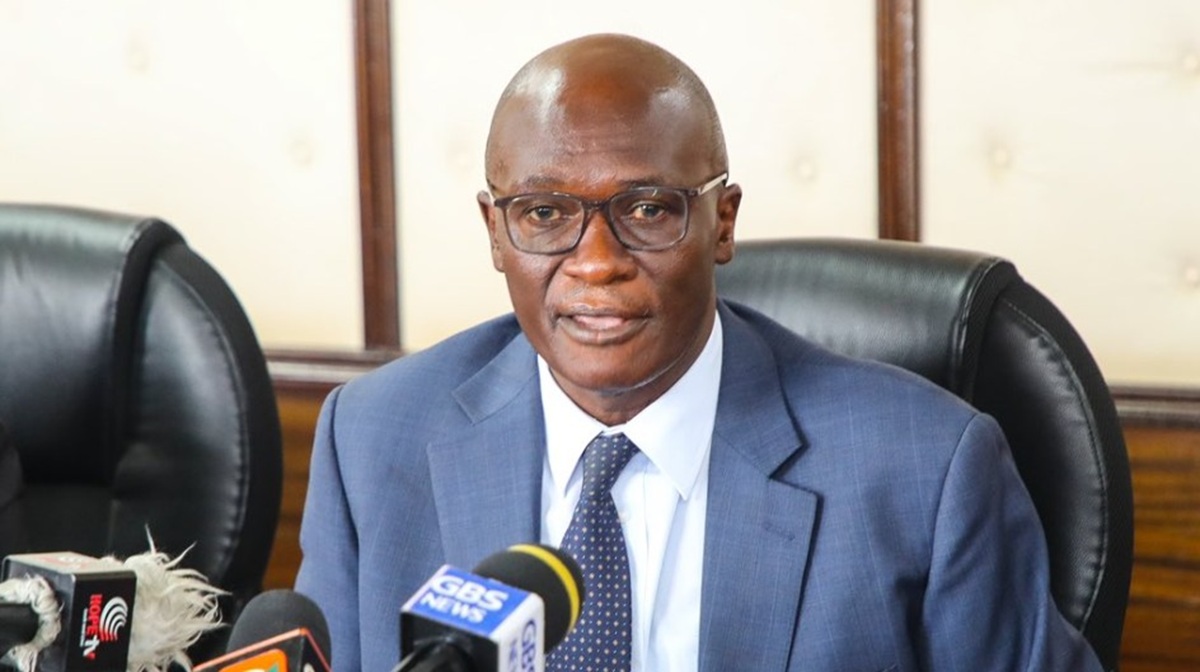
In an interview with HealthTimes, NBSZ Chief Executive Officer Ms Lucy Marowa said the organisation recorded an eight percent increase in units collected compared to the same period last year, when a similar blood collection blitz was conducted.
“The target for the Redan partnership in January was 2,530 blood units, and we collected 2,376 units, which represents 94 percent of the target. This is an eight percent increase in the number of whole blood units collected in 2026 compared to the same period in 2025,” said Ms Marowa.
She emphasized that the fuel coupon incentive offered to blood donors was not a form of payment, as blood donations in Zimbabwe are strictly voluntary.
In 1997, the World Health Organization recommended that all blood donations should be sourced from unpaid voluntary donors. By 2006, only 49 of the 124 countries surveyed had achieved this standard. Zimbabwe is among the countries that have adopted the policy, viewing blood donation as a purely altruistic act.
To qualify as a blood donor in Zimbabwe, individuals must be at least 16 years old, weigh a minimum of 50 kilograms, and be in good general health. A single unit of donated whole blood can save up to three lives. However, blood has a short shelf life, making regular donations essential to maintaining a stable supply.