By Michael Gwarisa
The Government of Zimbabwe and the United Nations Population Fund (UNFPA) have commenced consultations to develop the 9th Country Programme of Cooperation, which will run from 2027 to 2031. The two-day Stakeholder Engagement Workshop, taking place in Harare from 6 to 7 October 2025, brings together senior government officials, civil society, academia, youth representatives, and development partners to collectively shape the country’s future priorities for sexual and reproductive health and rights (SRHR), gender equality, and population dynamics.
According to the concept note, the workshop seeks to “collectively envision the future for SRHR, gender equality, and population dynamics in Zimbabwe” and translate that vision into a high-impact strategy that will guide the next phase of cooperation. Participants are using foresight tools such as scenario planning and the Three Horizons Framework to assess current realities, transition needs, and long-term aspirations.
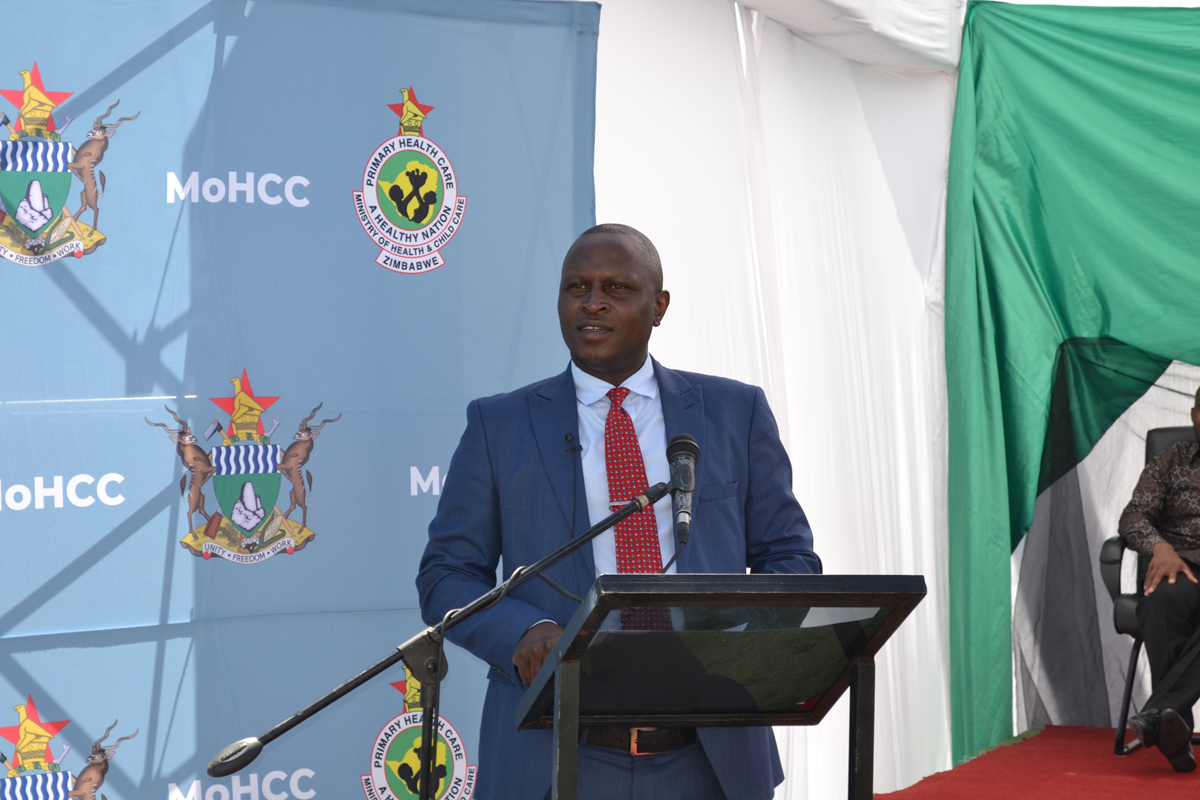
Officially opening the workshop, Chief Director in the Ministry of Finance, Economic Development and Investment Promotion, Mr. Joseph Mverecha, described the event as a crucial step in preparing for UNFPA’s next country programme.
This is a critical step in preparing for UNFPA’s next country programme for Zimbabwe, which will run from 2027 to 2031,” said Mr. Mverecha.
“As you may be aware, all United Nations agencies operating in Zimbabwe are guided by the Zimbabwe United Nations Sustainable Development Cooperation Framework, which serves as an overarching strategic framework for UN engagement in the country.”
He noted that the current Eighth Country Programme (2022–2026) is aligned with the National Development Strategy 1 (NDS1) and the Sustainable Development Goals (SDGs). As the nation moves towards developing NDS2 and Vision 2030, the new UNFPA programme would provide an opportunity to strengthen coordination around key population and gender priorities.
“The partnership between Zimbabwe and UNFPA has continued over many years, anchored on core pillars such as sexual and reproductive health, gender equality, prevention of gender-based violence, and youth empowerment,” he said. “We continue to appreciate the work that UNFPA is doing in the country. Over the past years, we have achieved milestones such as the 95-95-95 HIV targets, thanks to UNFPA’s support.”
Mr. Mverecha emphasized that while progress had been made, challenges such as teenage pregnancy, child marriage, and youth unemployment remain pressing. He called for collective efforts to address these issues through robust research, policy alignment, and resource mobilization.
“My ministry is planning to review the National Population Policy to ensure it provides clear guidance for implementing the ICPD Programme of Action and addressing broader population issues,” he said. “We also call upon UNFPA and our strategic partners to contribute to the NDS2 process, which is currently being crafted.”
United Nations Resident Coordinator in Zimbabwe, Dr. Edward Kallon, commended the partnership between UNFPA and the Government of Zimbabwe, noting that the Ninth Country Programme will align with both national and global development frameworks.
“Today, we begin the Strategic Visioning and Theory of Change Development Workshop for UNFPA, a major milestone towards developing the Ninth Country Programme,” said Dr. Kallon. “The programme will be derived directly from the new cooperation framework and aligned to the government’s Vision 2030 of becoming an upper-middle-income society.”
Dr. Kallon highlighted that under the Eighth Programme, UNFPA had made significant contributions in advancing family planning, reducing maternal mortality, empowering youth, and improving access to sexual and reproductive health services.
“UNFPA has been instrumental in ensuring that people, particularly women and girls, have access to essential services. These empower individuals to make informed decisions regarding their reproductive health and childbearing preferences,” he said.
He also underscored the need for innovation and partnerships in the upcoming programme, particularly in light of declining global development assistance.
“This workshop allows us to reflect and envision the future of SRHR, gender equality, and population dynamics in Zimbabwe,” Dr. Kallon said. “We must foster greater multisectoral collaboration and leverage technology and digital platforms to enhance outreach and service delivery. Capacity building and advocacy will also remain critical to sustain progress.”
He urged participants to ensure that the new programme continues to uphold UN principles of human rights, gender equality, and inclusivity.
“As we shape the UNFPA 9th Country Programme, our work must remain guided by respect for human rights, the commitment to leaving no one behind, and evidence-based decision-making. The perspectives of government, civil society, academia, youth, and the private sector are essential in shaping an inclusive theory of change for Zimbabwe,” he added.
UNFPA Deputy Representative in Zimbabwe, Dr. Aboubakar Cisse, said the workshop marks an important milestone in strengthening cooperation with the government and aligning with UNFPA’s global strategic priorities.
“It is a pleasure to welcome you to this Stakeholders’ Engagement Workshop for the development of the next country programme between UNFPA and the Government of Zimbabwe,” said Dr. Cisse. “This workshop provides a unique opportunity to share knowledge, best practices, and innovative approaches that will inform our new country programme.”
He added that the 2026–2029 UNFPA Strategic Plan aims to accelerate progress in ending the unmet need for family planning, preventable maternal deaths, and gender-based violence and harmful practices, while also supporting countries to adapt to demographic changes.
“Our collective vision is of a Zimbabwe where every pregnancy is wanted, every childbirth is safe, and every young person’s potential is fulfilled,” said Dr. Cisse. “Together, we can work to address the needs of women, girls, and young people in ways that are sustainable and rights-based.”
Throughout the workshop, participants are expected to engage in group discussions and scenario planning sessions to identify emerging trends, potential disruptions, and strategic opportunities that will shape the next five years of programming.
The outcomes of the Harare workshop will feed into the design of the Ninth Country Programme, which is expected to be presented to the UNFPA Executive Board in 2026. The programme will prioritize evidence-based, inclusive, and context-responsive approaches to SRHR, gender equality, and population development in Zimbabwe.