By Kuda Pembere
Zimbabwe intends to absorb 22,000 Community Health Workers (CHWs) into the civil service by year-end, Health and Child Care Minister Dr. Douglas Mombeshora announced on Tuesday, in a bid to strengthen primary health care amidst donor retreat.
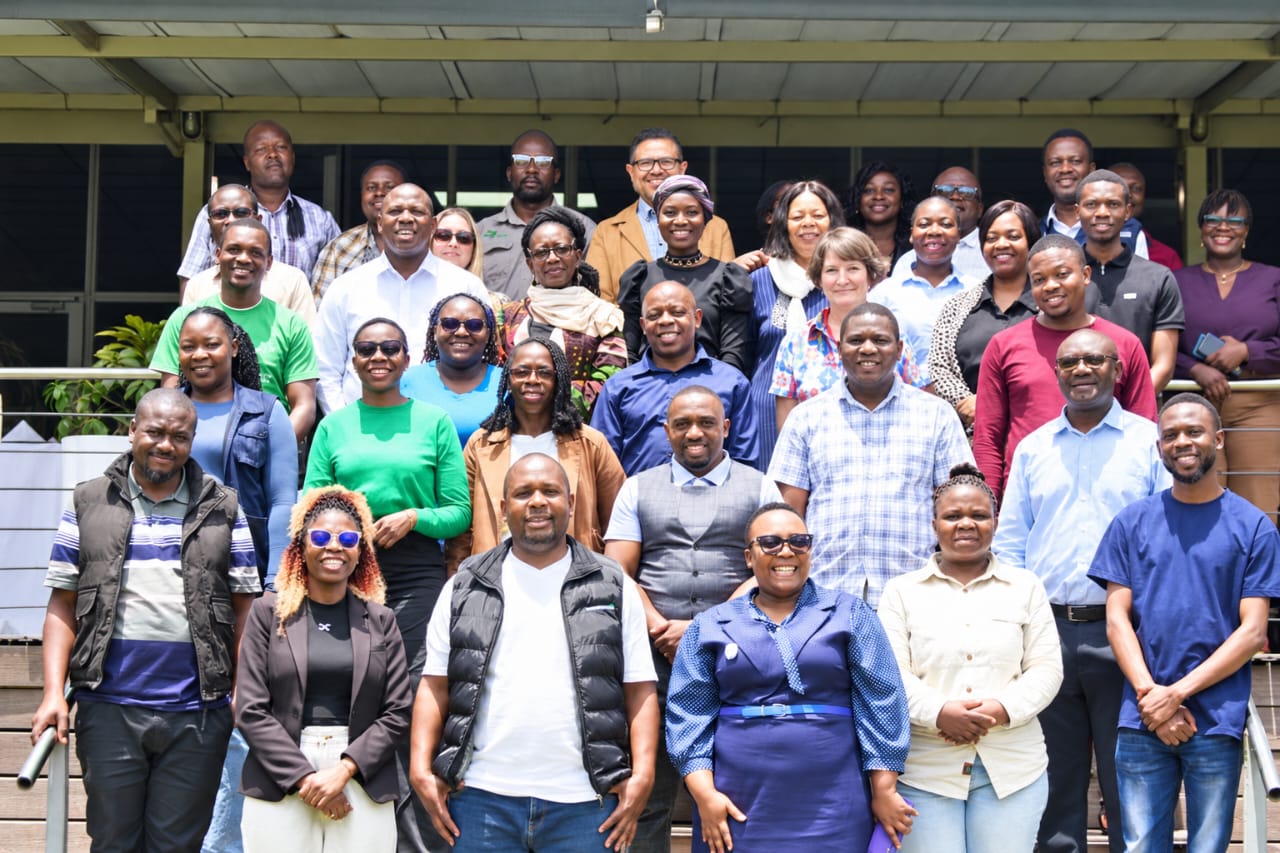
Officiating at the inaugural Multi-Stakeholder Community Health Forum in Mazowe, which was supported by the Africa Centres for Disease Control and Prevention (Africa CDC) and other partners, Dr. Mombeshora said the integration is expected to be complete by the end of this year.
The move comes at a time when the world is experiencing a sharp dip in donor funding and growing calls for CHWs to be recognised as civil servants. Dr. Mombeshora said 22,009 workers have already been recruited, with the Health Sector Investment Compact (2024–2026) aiming to double that number by 2030.
- The Government now aims at having two VHWs per village as well as integrating 22,000 CHWs into the civil service by the end of this year,” he said. “We set a target of having 40,000 institutionalized CHWs by 2030, aligned with the Zimbabwe Health Sector Investment Compact 2024–2026.”
Reflecting on the history of community health work in Zimbabwe, Dr. Mombeshora said:
“Today marks a milestone in Zimbabwe’s journey to strengthen its community health system. We convene here in Mazowe at a pivotal moment when both our nation and the world recognize that healthy communities form the foundation of a resilient health system. Without robust community health structures, our national strategies cannot succeed.
“In 1980, Zimbabwe shifted from a curative, urban-based system focused on a minority to a Primary Health Care (PHC) approach that emphasized prevention and health promotion for the largely rural population. The following year, Government formally launched the National Village Health Worker (VHW) Program with the ambitious target of training 15,000 village-based health workers to extend basic health services into communities that previously had no access.
“This has grown in leaps and bounds to the current level of 22,000 VHWs, with a new Community Health Service Package that speaks to the changing needs of society and is instrumental in the achievement of universal health coverage. Community health workers have become part of the health system.”
At the forum, Dr. Barnabas Kwame Veboah, Africa CDC Senior Technical Officer for Community Health Advocacy and Sustainability, stressed the importance of recognizing the contributions of CHWs, who are paid an average of US$50 a month across the continent.
Targeting the deployment of 2 million CHWs across Africa by 2030, Africa CDC’s Community Health Landscape Survey found that more than 1 million are currently active, which represents 69 percent of national targets. Despite this, median coverage remains at one CHW per 1,302 people. Dr. Veboah also noted a US$3.65 billion financing gap to reach the 2030 goal.
“Community Health Workers are the backbone of primary health care and the frontline defenders of our people’s health. They are not only trusted messengers but also the first responders during crises, the link between households and health facilities, and the champions of prevention, health promotion, and community trust.
“When empowered, well-trained, and adequately supported, CHWs save lives, improve equity, and strengthen the resilience of our health systems,” he said. “Across Africa, more than 70% of our people live in rural and underserved areas. For many, CHWs are the only point of contact with the health system. Yet, despite their proven value, CHW programs remain fragmented, underfunded, and often lack standardized training, supervision, and sustainable financing. This limits their ability to contribute fully to universal health coverage, epidemic preparedness, and the achievement of our continental and global health goals.”
Tuso Tanda, from the Country Coordinating Mechanism for the Global Fund, recommended broadening the training of CHWs to ensure sustainability.
“Community systems strengthening remains one of the key pillars of Global Fund support. Currently, the Global Fund supports payment of monthly allowances for 22,000 VHWs, including their uniforms. Apart from supporting VHWs, the Global Fund supports various community cadres across the three diseases as part of community systems strengthening.
“As we focus on transition, it is hoped that Government will gradually take over support of the VHWs as part of the Compact commitment.