By Rukudzo Gota
In an unsettling turn of events, funding cuts from the U.S. and other donor nations are jeopardizing years of progress in HIV care and treatment in Zimbabwe.
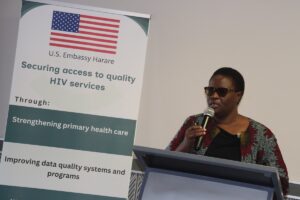
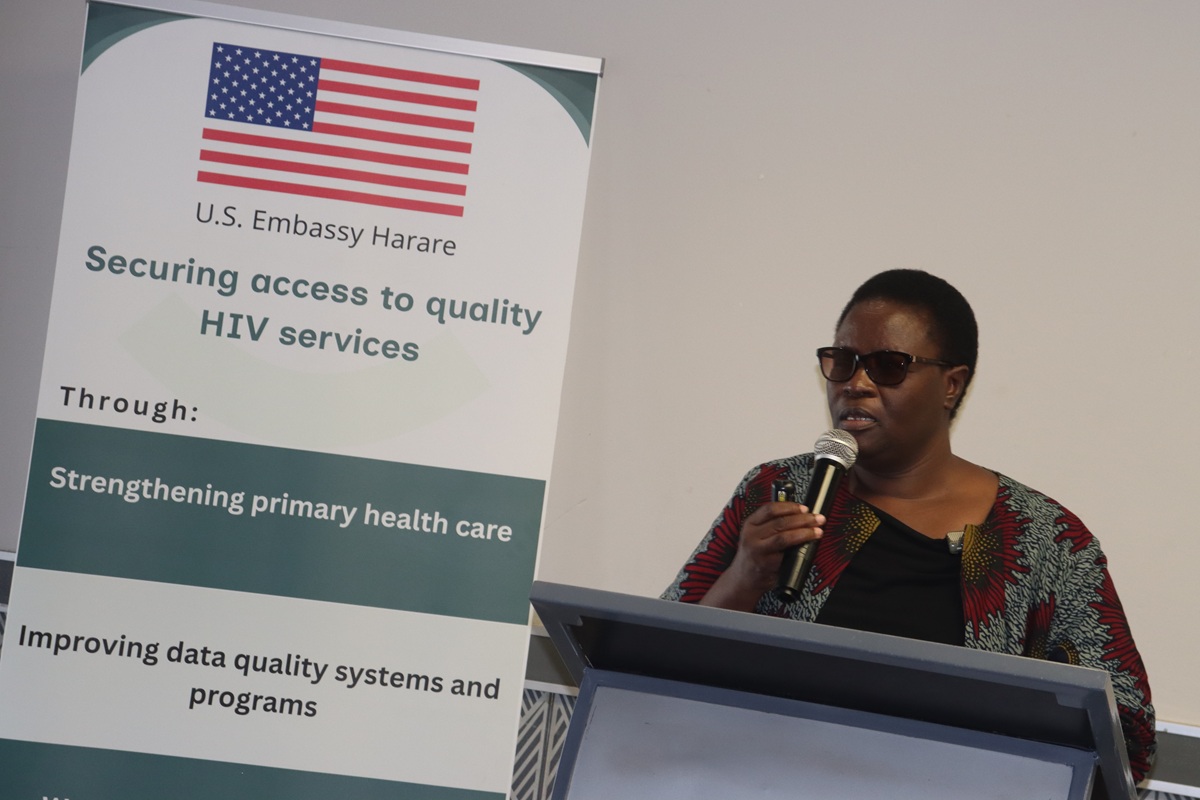
As a community advocates like Angela Jambo who has dedicated over two decades to supporting those living with HIV—bear witness to the unraveling of critical support systems, the health of thousands hangs in the balance.
With supplies dwindling and support networks collapsing, the future looks bleak for a nation that once made significant strides in managing Angela Jambo, a community leader and HIV advocate, expressed her despair.
“Support groups were everything. Now I see these children walking aimlessly as we are no longer conducting any support group activities. It’s stressful and disturbing. These children had found a family in our groups. Now, all of that is gone.”
Since the early 2000s, Zimbabwe has emerged as a beacon of hope against the HIV/AIDS epidemic, thanks in large part to financial support from the U.S. Agency for International Development (USAID) and programs like the President’s Emergency Plan for AIDS Relief (PEPFAR). Through the introduction of antiretroviral treatment (ARVs), thousands have been able to live longer, healthier lives.

In recent years, Zimbabwe achieved the ambitious UNAIDS 95-95-95 targets, which means that 95% of people living with HIV know their status, 95% of those diagnosed are on treatment, and 95% of those on treatment have achieved viral suppression. The landscape shifted dramatically when U.S. President Donald Trump initiated sweeping cuts to foreign aid, including vital health funding.
Over 170 days later, USAID operations have effectively ceased, leaving communities bereft of essential services. As evidence of the impact mounts—recording over 5,900 AIDS-related deaths in the first half of 2025, up from 5,712 in 2024—urgent action is needed to avert a public health catastrophe. Angela Jambo, a community leader and HIV advocate, expressed her despair: “Support groups were everything. Now I see these children walking aimlessly as we are no longer conducting any support group activities. It’s stressful and disturbing. These children had found a family in our groups. Now, all of that is gone.”
Beloved Mhizha, a former micro-planner in Mbare, added, “We are going backwards. Condoms are in short supply, and clinics no longer treat minor ailments like they used to. The programs that offered us hope are disappearing.”

Sithabile Garananga, a lay counselor, shared her frustration, “It hurts to see people suffering while I stand by with my hands tied. I know how to help, but I can’t reach them anymore.”
The cuts to funding do not affect only those directly involved in HIV care; they ripple throughout communities already struggling with the repercussions of poverty and stigma. With essential services disappearing, reports indicate that many individuals living with HIV are now hesitant to seek medical help due to fears of being judged by healthcare providers.
This reluctance jeopardizes the decades of progress made in reducing stigma and increasing access to care. Médecins Sans Frontières (MSF) Country Representative Zahra Zeggani-Bec noted the grim reality.
“We are seeing a total collapse in community-based and prevention programming, especially for key populations who are now entirely left behind. The cuts are crippling the logistical backbone of HIV care.”
The current funding crisis poses a significant threat to the lives of millions in Zimbabwe. With the health sector already strained and vulnerable populations facing mounting challenges, the stakes have never been higher.
As communities like Angela’s fight to maintain the progress achieved over the years, the international community must recognize the urgent need for renewed support. The echoes of past accomplishments must not fade into silence rather, they should unite us in a renewed commitment to ensure that health and dignity remain accessible to all.