Kuda Pembere
The Community Working Group on Health (CWGH) has used World Cancer Day to raise fresh concerns over the management of Zimbabwe’s Sugar Tax, calling for urgent ring-fencing to protect funding for cancer treatment.
Zimbabwe introduced the Sugar Tax to help finance cancer treatment. Last month, Health and Child Care Minister Dr Douglas Mombeshora said radiotherapy machines were in Durban and en route to Zimbabwe.
However,CWGH executive director Itai Rusike in a statement issued to mark World Cancer Day said there were growing concerns over how the funds are being managed, hence the call for ring-fencing.
“In response to the growing cancer burden, Zimbabwe introduced a sugar tax in 2024, officially called the Special Surtax on Sugar Content, on sugar-sweetened beverages to fund cancer treatment. The sugar tax is administered as an excise duty and collected by the Zimbabwe Revenue Authority (ZIMRA),” Rusike said.
“The funds raised from the sugar tax are deposited into the Consolidated Revenue Fund. This raises the risk that the funds could be diverted and used for other government expenses instead of their intended healthcare purpose.
“To ensure the funds go to their designated health-related initiatives, it is critical that the Government passes enabling legislation to ring-fence the funds. Improving governance of the sugar tax is essential to ensure that funds are used efficiently, transparently, and for their intended health purposes,” he said.
“Ensuring transparency and accountability for ring-fenced health taxes requires clear legal, institutional, and public oversight mechanisms. Proactive citizen engagement is also critical.”
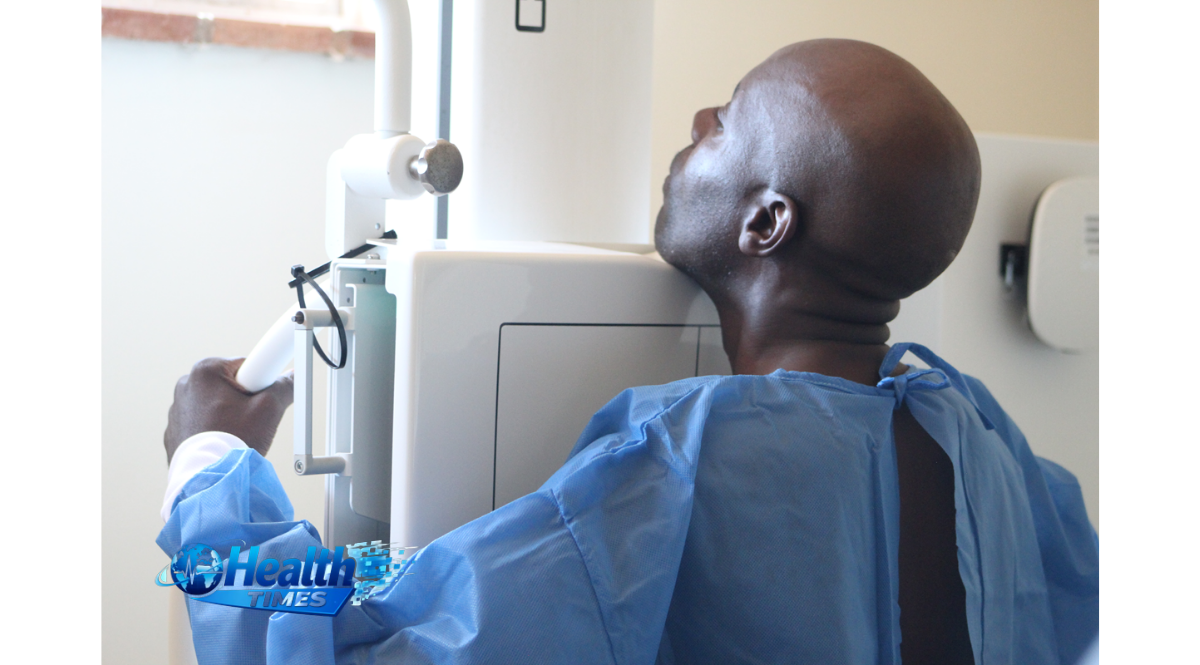
Rusike also bemoaned the state of cancer diagnostics and radiotherapy services in the country.
“National capacity remains weak at the early diagnostic and intervention levels. Despite the huge numbers cited, there is a major bottleneck in that only two centres in the country offer radiotherapy and chemotherapy for cancer, and they are not operating optimally.
“Diagnostic and other support services remain inadequate, translating into poor quality of care and unfavourable outcomes. While vaccination is the best strategy, there must also be a deliberate plan to improve services to effectively diagnose and comprehensively treat all cancers in the country.”
He said current cancer statistics highlight deep-rooted weaknesses in the health system.
“The cancer statistics are a stark reminder that our health care system is not adequately serving population health needs. This must be urgently addressed to end the desperation we are witnessing, even among patients seeking care in the private sector or outside the country.
“The costs are catastrophic and the quality of services is questionable, as outcomes have also been adverse. We remain hopeful that the health system will be transformed to function fully in line with constitutional provisions and the rights of Zimbabweans to health,” Rusike said.
Meanwhile, Zimbabwe ranks among the top five most burdened countries globally for cervical cancer, with an incidence rate of between 61 and 68 cases per 100,000 women annually.
“This is despite severe under-reporting of cancer cases due to poor access to and utilisation of health services, as well as inadequate diagnostic capacity at all levels,” Rusike said.
He said this year’s World Cancer Day theme, “United by Unique,” underscores the importance of personalised, patient-centred care.
“The theme highlights the need to adapt cancer treatment to the unique needs of individuals. However, the current fragility within the health delivery sector means many cases are neither detected nor treated and may end within communities without ever being captured in national statistics,” he added.