By Kuda Pembere
As the Zimbabwean Government through Treasury prepares for its ninth country programme in partnership with the United Nations Population Fund (UNFPA), the organisation has urged the country to prioritise healthcare quality and improve the livelihoods of adolescents and young people, particularly females who are disproportionately affected by teenage pregnancies, gender-based violence, and HIV.
This was said by UNFPA Zimbabwe Representative Miranda Tabifor while speaking to journalists on the sidelines of a consultative stakeholder workshop to develop the ninth country programme, running from 2027 to 2031.
With over 60 percent of Zimbabwe’s population under the age of 30, Tabifor said the success of Vision 2030, aiming to achieve upper middle-income status, depends heavily on addressing the needs and aspirations of the country’s adolescents and youth. Empowering this majority demographic, she added, is key to transforming Vision 2030 from a national ambition into a tangible reality.
“So the next slide is telling us that despite the crossroads, despite the demographics that we’ve seen, Zimbabwe has a unique demographic window. Why do we think that Zimbabwe has a unique demographic window? Because we have 66% of the population at the age of 30 years, and they represent young people,” she said.
“What we’re thinking of is flipping this so that percentage should not be a problem. We should use it as an opportunity to advance the development of the country at all levels. Although we have issues with teenage pregnancies, we actually also look at this situation at the regional level. We have presented the highest burden provinces, Mashonaland Central and Mashonaland West. It’s good for us to look at that to inform the next action.”
She added that UNFPA is assessing challenges affecting young people in Zimbabwe to guide the next country programme.
“We are looking at what issues are facing young people in the country that we can focus on as we envision the next country programme. We are looking at the economy, climate change drivers, and socio-economic factors that can affect the development of the country in light of Vision 2030 and UNFPA’s mandate on Sexual and Reproductive Health and Rights (SRHR),” added Tabifor.
Tabifor commended Zimbabwe for validating an inter-ministerial framework to reduce teenage pregnancies.
“We also have the issue of teenage pregnancy. We’ve heard about it in the presentations. The national prevalence rate of teenage pregnancy currently stands at 23.7%. It’s an issue we have to work on together with the Government. We are hearing from the strategic workshop that the Government has put in place an inter-ministerial framework, which has already been validated. This means that to address teenage pregnancy, ministries must work together, and that’s where the framework will be very helpful,” she said.
“The Ministry of Health, Ministry of Women Affairs, Ministry of Education, and Ministry of Youth all have to come together because they each have a role to play in addressing teenage pregnancy,” she added.
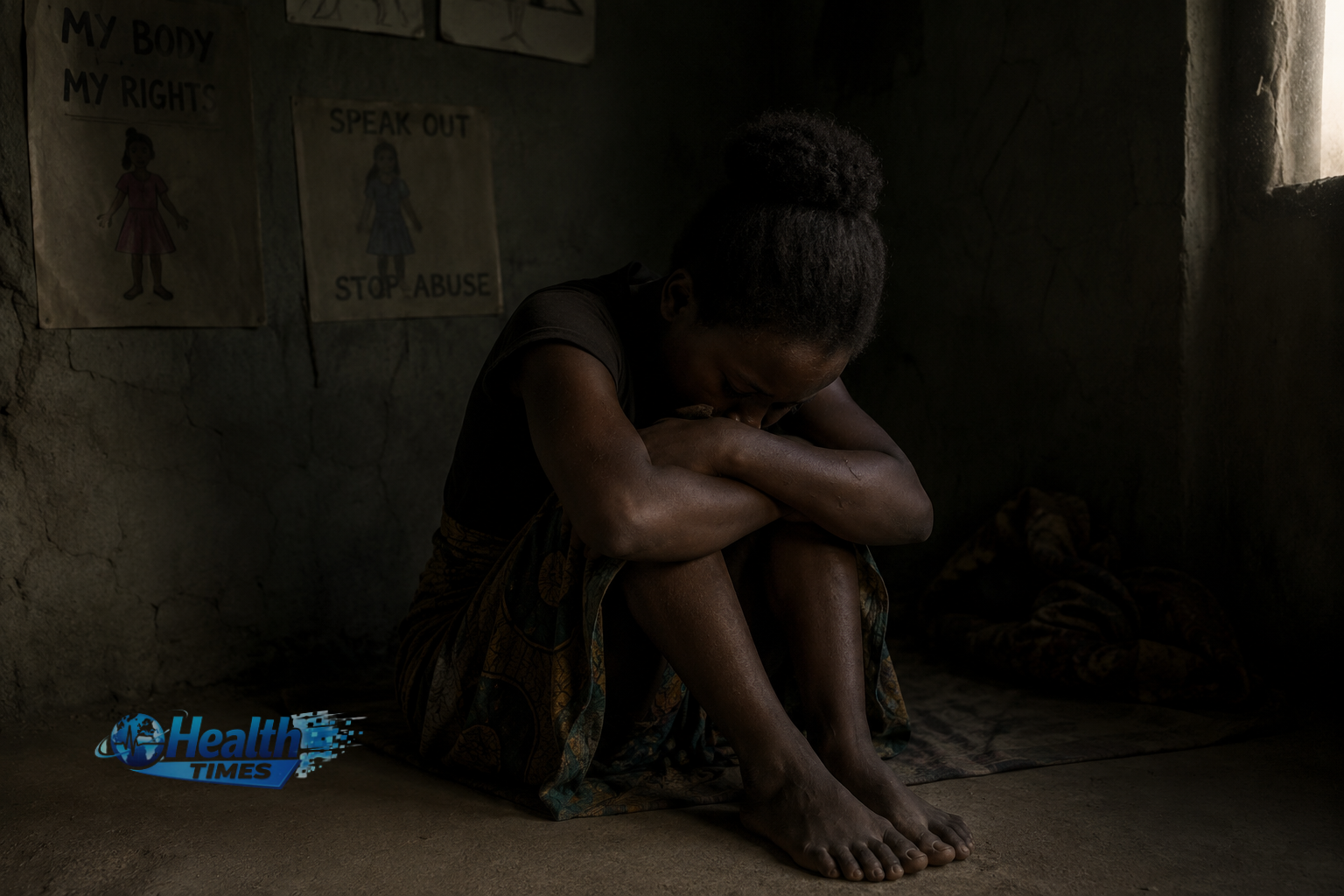
Tabifor noted that young women and adolescent girls are disproportionately affected by teenage pregnancies and intimate partner violence.
“The national teenage pregnancy prevalence stands at 23.7%. That is what is happening. How can our young adolescents, instead of being at school, be getting pregnant? They are getting pregnant. It’s not acceptable. Early child marriage is also rising. It increased from 29.9% in 2015 to 33.2%. Is that what we want for our young girls and adolescents? No,” she said. “So let us think about the strategic interventions we want to contribute to address such a national issue in the context of our new country programme. The highest prevalence of intimate partner violence is found among young women. It’s not supposed to be that way.”
On gender-based violence (GBV), Tabifor said Mashonaland West and Manicaland have some of the highest prevalence rates in Zimbabwe, according to data analysis.
“I think the Ministry of Women Affairs will be very interested to see that slide. Women and girls are left behind, and we all know one of the key principles of the SDGs is that we don’t want anyone to be left behind. There’s a mantra in this country that no one and no place will be left behind,” she said.
“When we did our analysis on the trends, we saw that women and girls are left behind. Why do we think that? When it comes to gender-based violence and how it manifests, we pulled out data at the regional level showing the highest prevalence by province. We found that Mashonaland West and Manicaland record some of the highest cases of gender-based and intimate partner violence. The facilities in those areas speak for themselves. We pulled this data from authentic sources, and it’s there for us to see. As we reflect on 2027 to 2031, these are the issues we are addressing. We don’t want any woman or girl to be left behind,” she said.
She added that UNFPA is working with the Government to set up a national database on GBV.
“We have challenges under this area. Gender-based violence remains widespread. Intimate partner violence is high in rural areas at 82 percent compared to 22 percent in urban settings. We have limited availability of data on GBV, but we are working with the ministry to set up a database to ensure we capture all this information to be able to address the situation,” said Tabifor.
She underscored the importance of improving the quality of care in health settings to reduce preventable maternal deaths.
“We also presented the causes of maternal mortality, which we will work together to reduce. The health system faces challenges such as underfunding and heavy donor dependence; we all know that,” Tabifor said. “We have inadequate quality of care. That is something we want to improve. It’s not enough, because we cannot continue to have this number of maternal deaths in the country when the issue lies in quality of care. We are going to address that.”