By Michael Gwarisa
While countries in the Global South have continued to share vital health data and pathogen samples in good faith, the European Union (EU) is facing mounting criticism for delaying progress on a key component of the World Health Organization (WHO) Pandemic Agreement.
At the centre of the dispute is the Pathogen Access and Benefit Sharing (PABS) Annex, a crucial mechanism designed to ensure that countries contributing biological samples and data also receive equitable access to the benefits derived from them, including vaccines, diagnostics and treatments.
Although the WHO Pandemic Agreement was adopted in May 2025, negotiations on the PABS Annex remain unresolved. The final round of talks is expected to conclude at the end of March 2026. However, progress has been slow, with the EU and other high-income countries such as Switzerland, Japan and Australia accused of resisting key equity provisions.
The AIDS Healthcare Foundation (AHF) has warned that the broader Pandemic Agreement cannot be ratified without the PABS Annex being finalised. According to AHF, proceeding without a strong and binding annex risks weakening the entire agreement or delaying its implementation altogether.
Health experts argue that the current situation reflects a familiar pattern in global health governance, where developing countries provide critical data but are excluded from the benefits that follow.
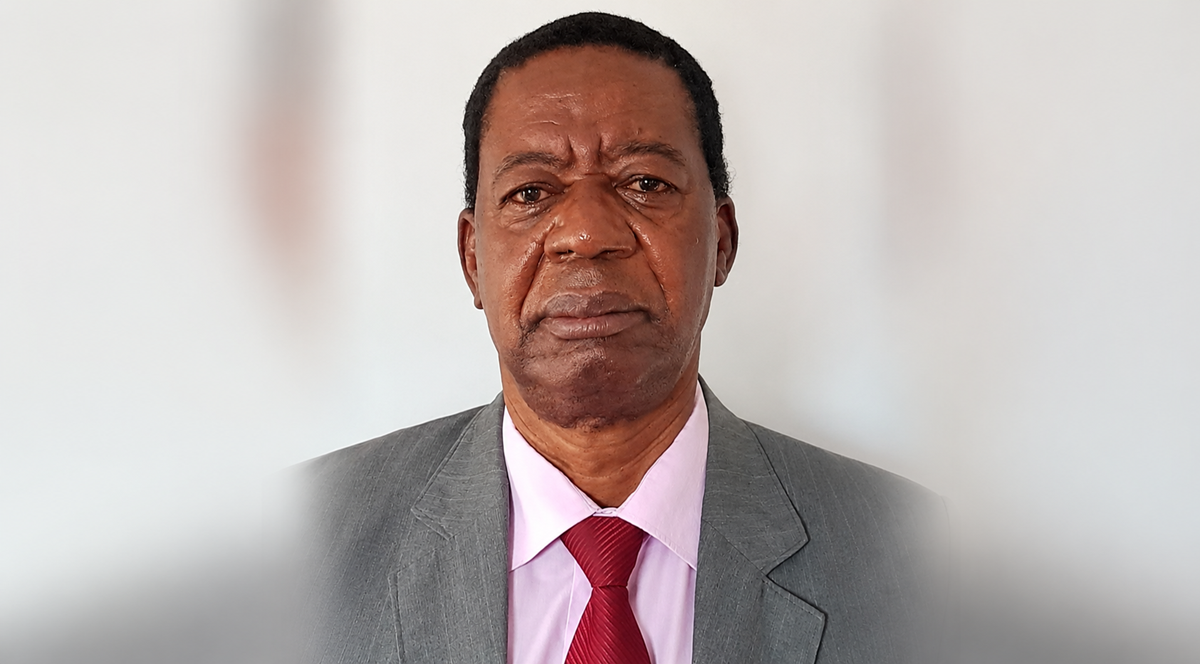
“What is happening is that data is going out, but the benefits are not coming back. If we give our data, we also need the know-how. The benefits must return to the countries that contribute,” said Dr Enerst Chikwati, AHF Country Program Manager.
Dr Chikwati noted that while African countries and others in the Global South are sharing pathogen samples and health data, they are often excluded from access to the technologies developed using those resources.
“They are requesting blood samples and data, but they are not keen on sharing their technologies. Vaccines are developed using our data, yet we are not given the knowledge or capacity to manufacture them ourselves. Instead, we are told to simply continue supplying data,” he said.
The PABS Annex is intended to address precisely these imbalances by establishing clear rules for how pathogen samples and genetic information are shared, and how the resulting benefits are distributed. However, negotiations have remained contentious, with the European Commission and several wealthy nations reportedly pushing back against provisions that would require mandatory benefit-sharing.
With a May 2026 deadline approaching, concerns are growing that failure to reach consensus could delay ratification of the Pandemic Agreement and undermine efforts to prevent a repeat of the inequities witnessed during the COVID-19 pandemic.
Dr Chikwati warned that the stakes are high, particularly for low- and middle-income countries seeking to build their own pharmaceutical manufacturing capacity and reduce dependence on external suppliers.
“During COVID-19, we saw an inhumane situation where countries in the Global North hoarded vaccines. Some had more doses than they needed, while people in other parts of the world were dying without access. That is the inequality this agreement is supposed to address so that we are better prepared for future pandemics,” he said.
In Africa, limited vaccine supplies meant that available doses had to be rationed, highlighting the stark disparities in global access to life-saving interventions.
AHF has been vocal in calling for stronger commitments within the PABS framework. The organisation argues that any pandemic agreement must ensure that those who benefit commercially from shared data also contribute meaningfully to the system.
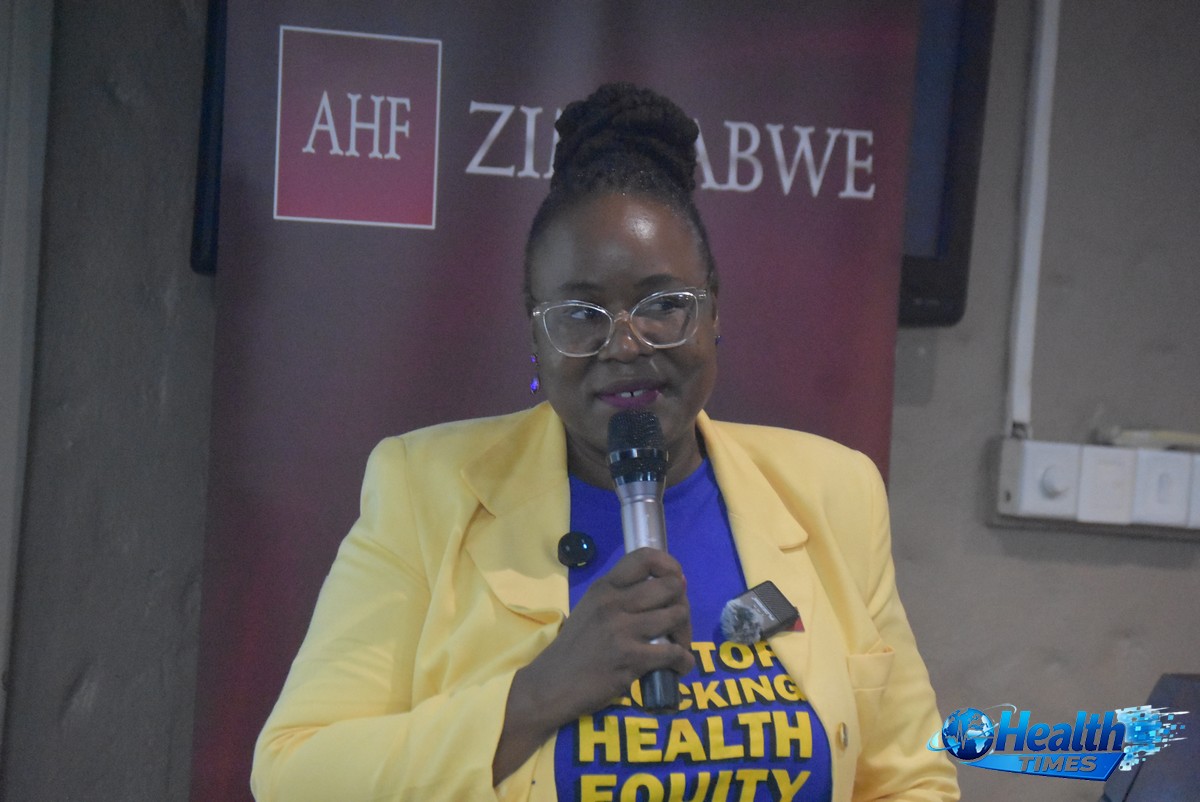
“Those who profit from the system must contribute to the system. Participating manufacturers and all commercial users must be subject to mandatory benefit-sharing with real accountability and legal certainty through binding contracts,” said Dr Sandra Bote, AHF’s Public Health Specialist.
Dr Bote emphasised that benefit-sharing must go beyond symbolic gestures and include tangible measures such as equitable access to vaccines, diagnostics and treatments, as well as technology transfer to enable manufacturing in developing regions. She also highlighted the importance of financial contributions to support global preparedness efforts.
She further stressed that transparency and accountability are critical to the success of the system. Allowing anonymous access to pathogen data, she warned, creates significant risks.
“If we do not know who is accessing the system, we cannot hold them accountable. Anonymous access compromises the integrity of the system and creates real biosecurity concerns,” she said.
Civil society organisations have also raised concerns about limited access to negotiation processes and key documents, arguing that greater transparency is essential to ensure that equity commitments are upheld in practice.
At its core, the dispute over the PABS Annex reflects a broader tension between cooperation and control in global health governance. Countries in the Global South are increasingly demanding a shift away from extractive systems towards more equitable partnerships that recognise their contributions and rights.
There is growing consensus among advocates that the Pandemic Agreement must not move forward without firm guarantees on equity. They argue that any agreement lacking binding commitments on benefit-sharing would fail to address the structural inequalities exposed during COVID-19.
The message from public health experts and advocacy groups is clear: equity cannot be optional. The Pandemic Agreement must ensure that countries contributing data and resources are not left behind when the benefits are realised. Ultimately, a strong and enforceable PABS Annex is seen as essential not only for fairness, but also for global health security. Without trust and equitable participation, efforts to respond effectively to future pandemics could be severely compromised.
As negotiations enter their final stretch, pressure is mounting on the European Union to align its position with its stated commitment to global solidarity. A failure to do so, critics warn, risks repeating the vaccine inequities of the past and leaving the world dangerously unprepared for the next health crisis.