By Alice Mudzingwa
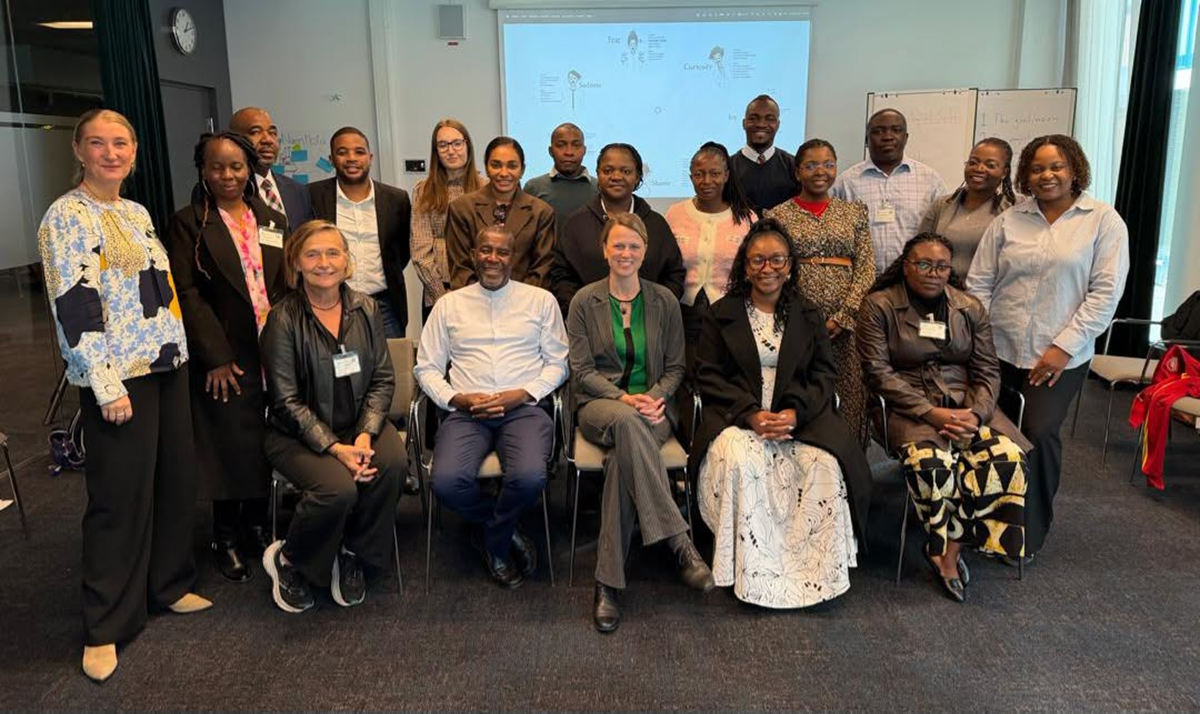
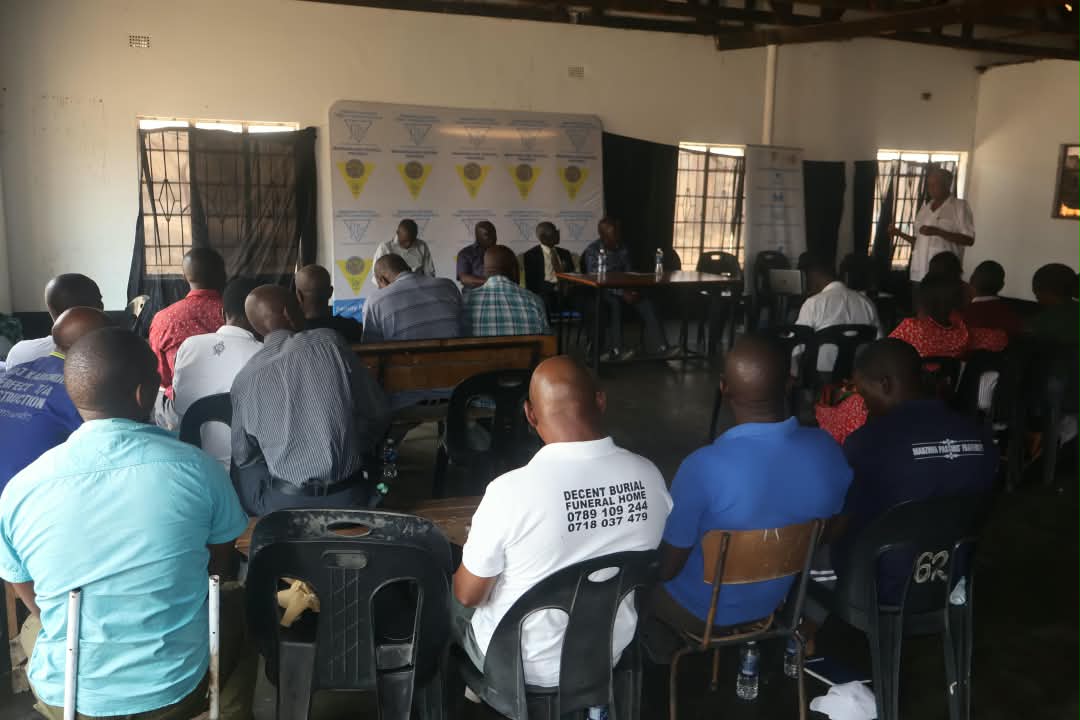
The National University of Science and Technology (NUST) has been crowned champions of the 2026 SayWhat National Universities Quiz Challenge after defeating teams from 16 other universities in a fiercely contested competition that brought together 34 students from across Zimbabwe.
Held over two days, the competition tested participants’ knowledge of key national policies, including the Cyber and Data Protection Regulations (2024), the Heritage-Based Curriculum (2024-2030), the Zimbabwe Multisectoral Drug and Substance Abuse Plan (2024-2030), the Model Anti-Sexual Harassment Policy for Higher and Tertiary Education Institutions (2024), the National Gender Policy (2025), and the National Development Strategy 2 (2026-2030).
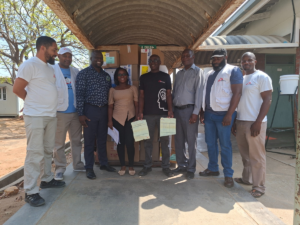
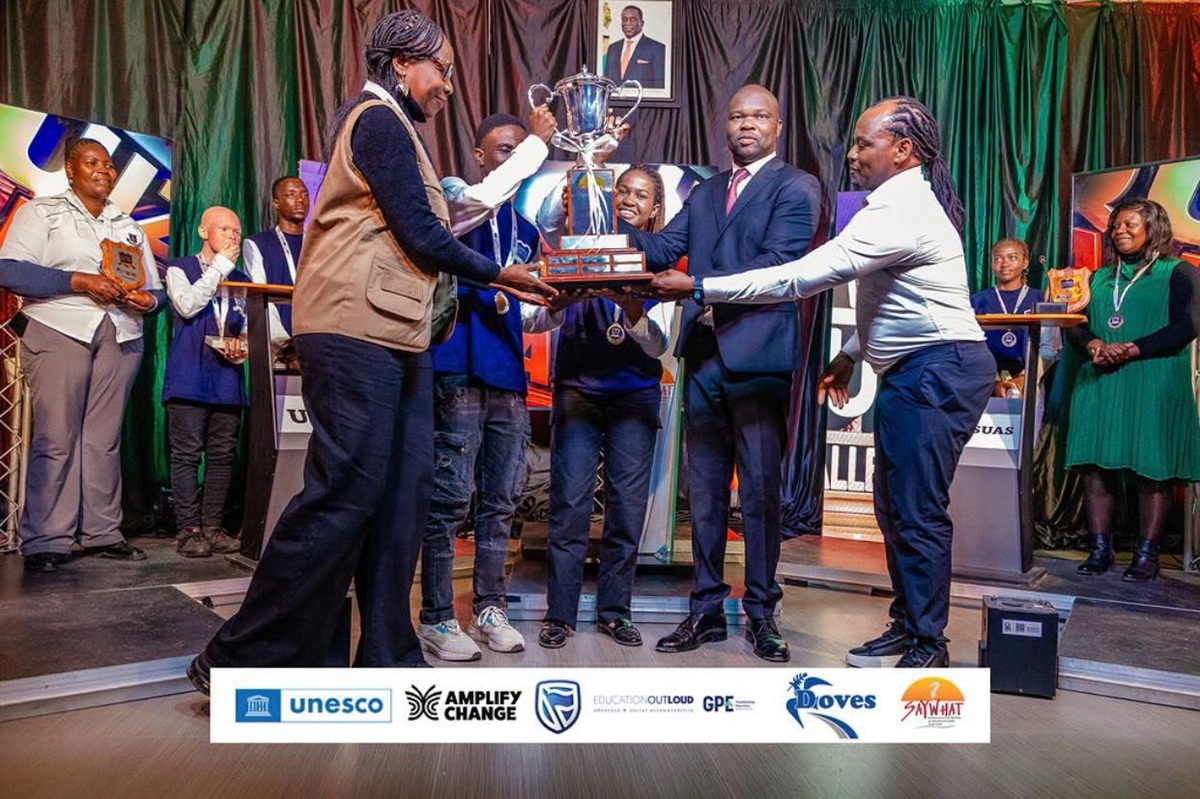
After several competitive rounds, NUST emerged as the overall winner, taking home the floating trophy, gold medals, certificates and other prizes. The runners-up and second runners-up also received electronic gadgets and awards in recognition of their outstanding performances.
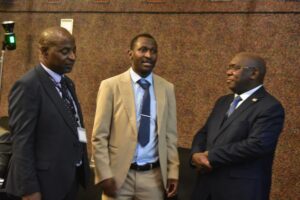
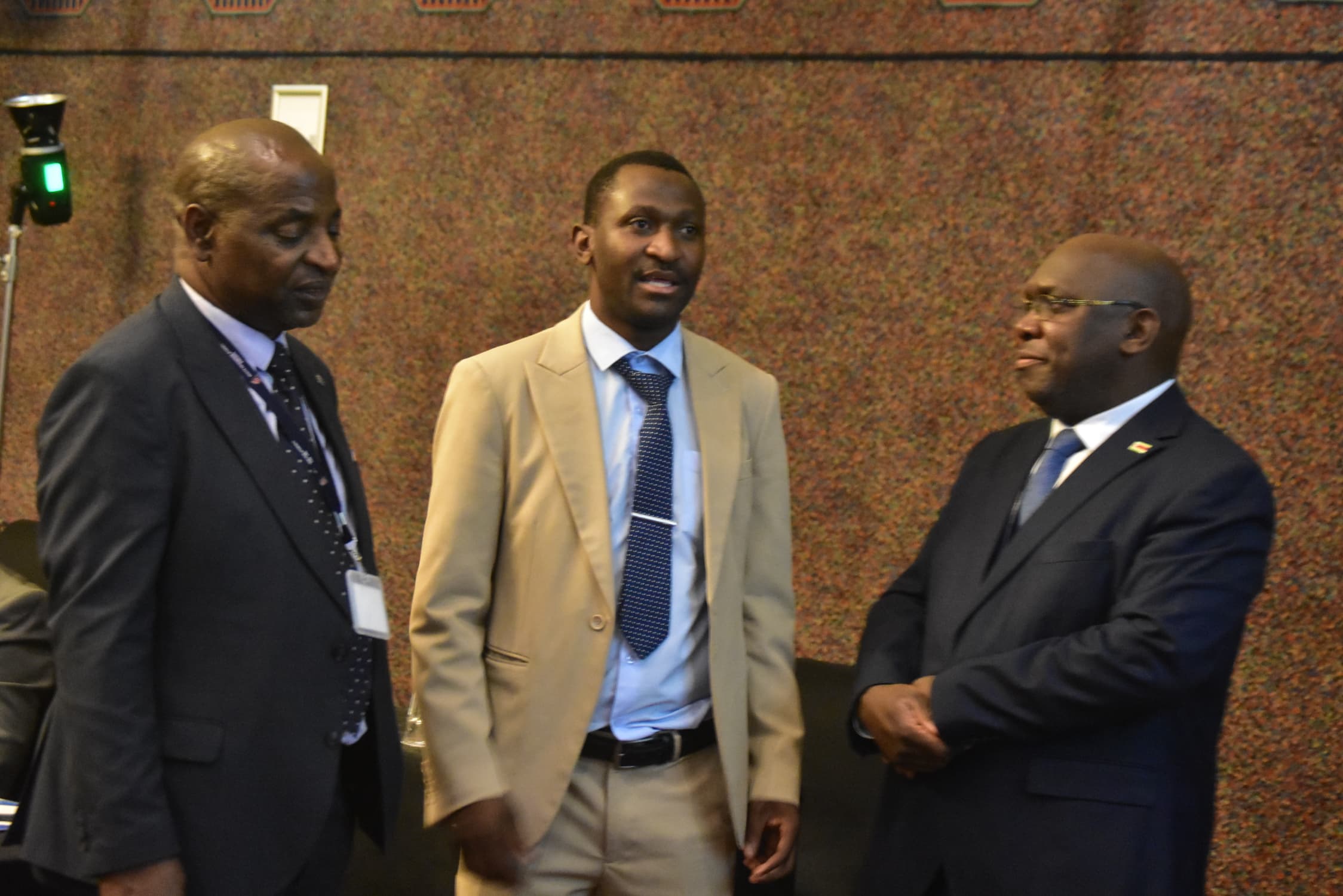
Speaking at the prize-giving ceremony, stakeholders from the education and health sectors commended SayWhat for empowering young Zimbabweans through an initiative that promotes knowledge of national development policies.
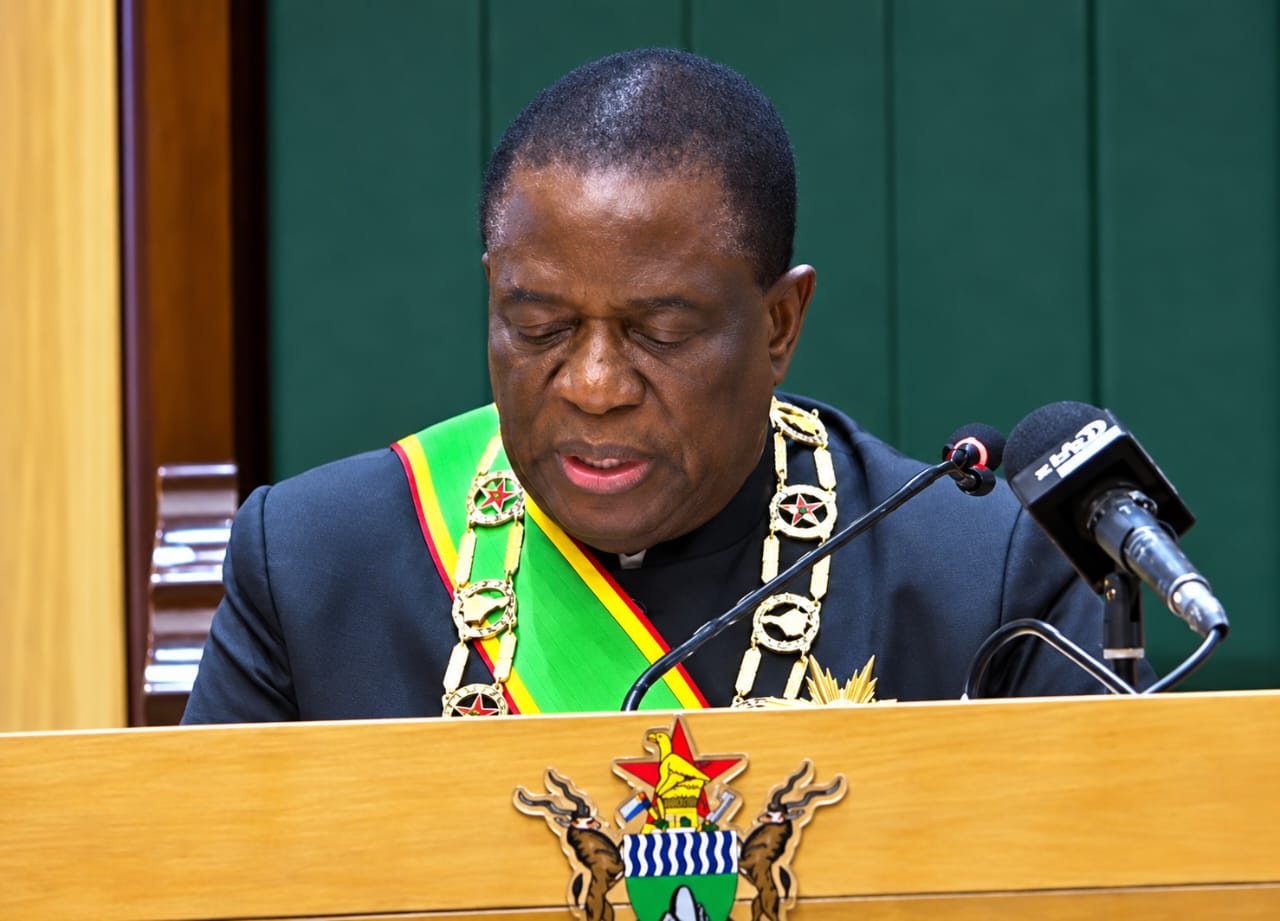
Minister of Youth Empowerment, Development and Vocational Training, Tinoda Machakaire, said the quiz challenge complements government efforts by simplifying complex policy issues and encouraging young people to become active citizens.
“As former President Nelson Mandela wisely said, ‘Education is the most powerful weapon which you can use to change the world.’ Today, I would go a step further and say knowledge becomes powerful only when it is transformed into action, and that is precisely what this competition represents,” said Machakaire.
He said the programme is producing informed and responsible young people capable of contributing to Zimbabwe’s development.
“Zimbabwe’s future will not be determined by the resources beneath our soil alone. It will be determined by the ideas inside the minds of our young people. As the world continues to evolve at an unprecedented pace, our country needs young people who can think critically, innovate boldly and lead with integrity,” he said.
Machakaire added that the initiative equips students with knowledge on health, mental health, reproductive health, nutrition, child protection and education rights, enabling them to make informed decisions and contribute positively to their communities.
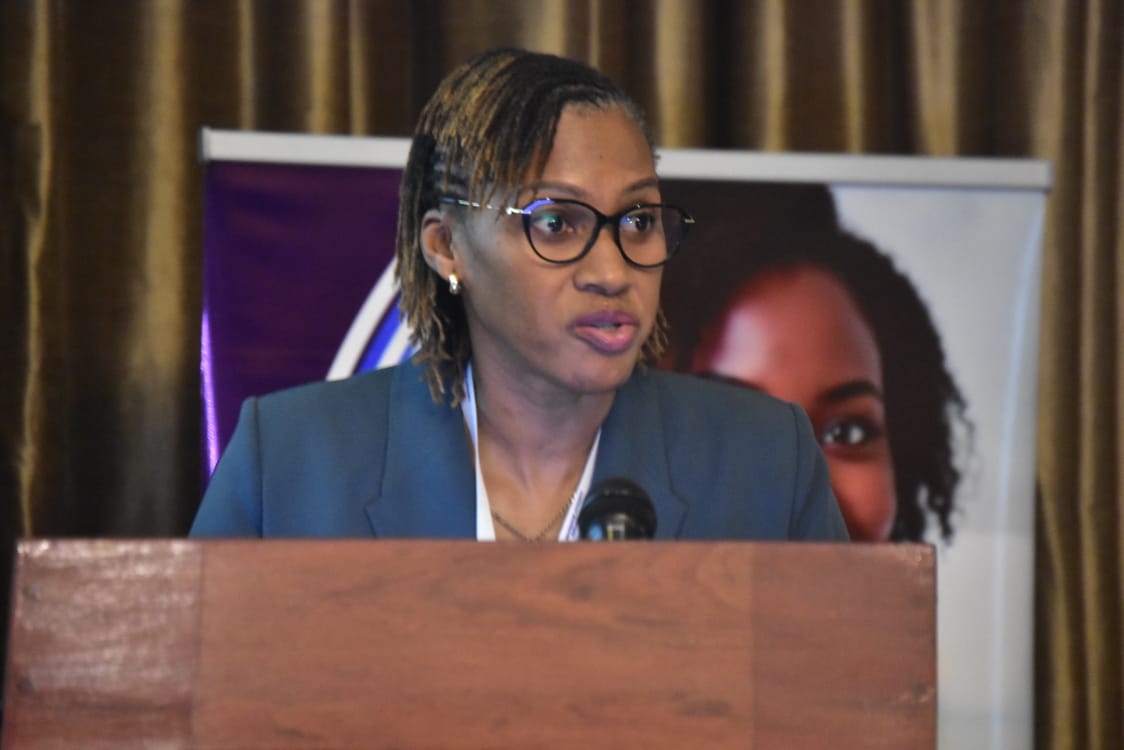
UNESCO Regional Team Lead for the Education for Health and Wellbeing Unit, Dr Patricia Machawira, described the competition as an example of successful collaboration that promotes informed, healthy and empowered learners.
“The growth of this initiative from a student competition to a nationally recognised and televised platform for dialogue on health, education and development demonstrates what becomes possible when young people are trusted, supported and given opportunities to lead,” she said.
Machawira said this year’s theme, “Localising Global Commitments: Students Driving National Progress on Health and Education,” aligns with UNESCO’s Our Rights, Our Lives, Our Future Plus programme by promoting youth participation in national development.
National Deans Association of Zimbabwe chairperson Dr Chaka applauded SayWhat for creating a platform that brings together students from public, private and faith-based universities.
“The diversity represented in this challenge is important because the opportunities and challenges facing young people require collective thinking, shared responsibility and coordinated action,” he said.
SayWhat Executive Director Jimmy Wilford said the quiz challenge was designed to bridge the gap between policy and practice by presenting government programmes in ways that are relevant and accessible to young people.
“Our goal is to ensure students are not only aware of government policies but also understand how these policies affect their daily lives, education and future opportunities,” said Wilford.
He noted that participation has grown from 10 universities in 2019 to 17 this year and said the organisation aims to expand the competition even further.
“Our greatest achievement is not the trophies but exposing young people to important national issues. We are confident they will apply the knowledge they gain beyond the competition. Going forward, we want to ensure young people have a voice wherever development issues are discussed,” he said.
Students who took part in the competition said it had broadened their understanding of government policies and their rights.
Divine Shonhiwa of Zimbabwe Ezekiel Guti University said the competition had been eye-opening.
“The quiz has helped me understand my rights and learn about national policies that I previously knew little about,” he said.