By Michael Gwarisa
After years of living without full legal recognition, Zimbabwe’s Intersex community has taken their fight to the High Court, demanding birth certificates that include a third sex marker.
The landmark case challenges the country’s civil registry laws and could redefine how identity and rights are recognized for Intersex persons. If successful, the third marker will be reflected on all key identity documents, including birth certificates, passports, and national identity cards.
Beyond the request for a third sex marker, to appear as an “I” for Intersex, the application also seeks to end non-consensual and non-essential medical interventions on intersex minors. It further aims to secure constitutional rights to dignity, equality, education, and access to services for the intersex community.
WATCH VIDEO BELWO:
Zimbabwe’s Intersex Community Demands Third Sex Marker on Birth Certificates | High Court Case
For generations, surgeries were carried out on children born with ambiguous genitalia to align them with either male or female categories. Many later found their assigned identities conflicting with their lived realities, leading to lifelong struggles with gender identity and recognition.
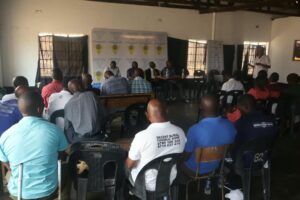
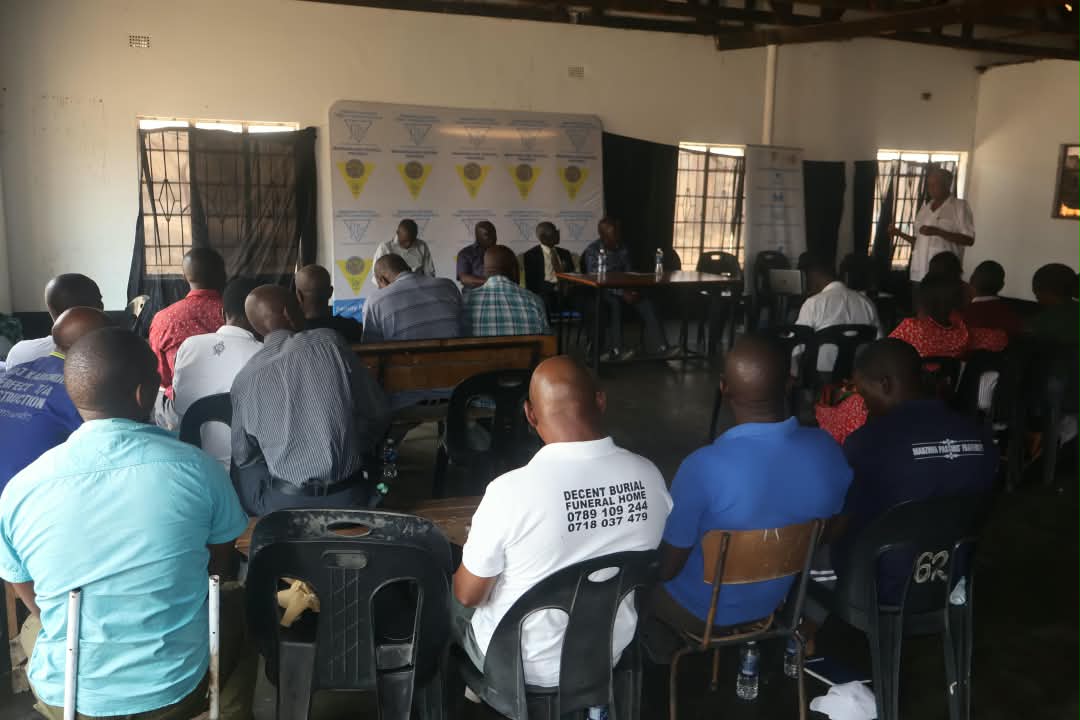
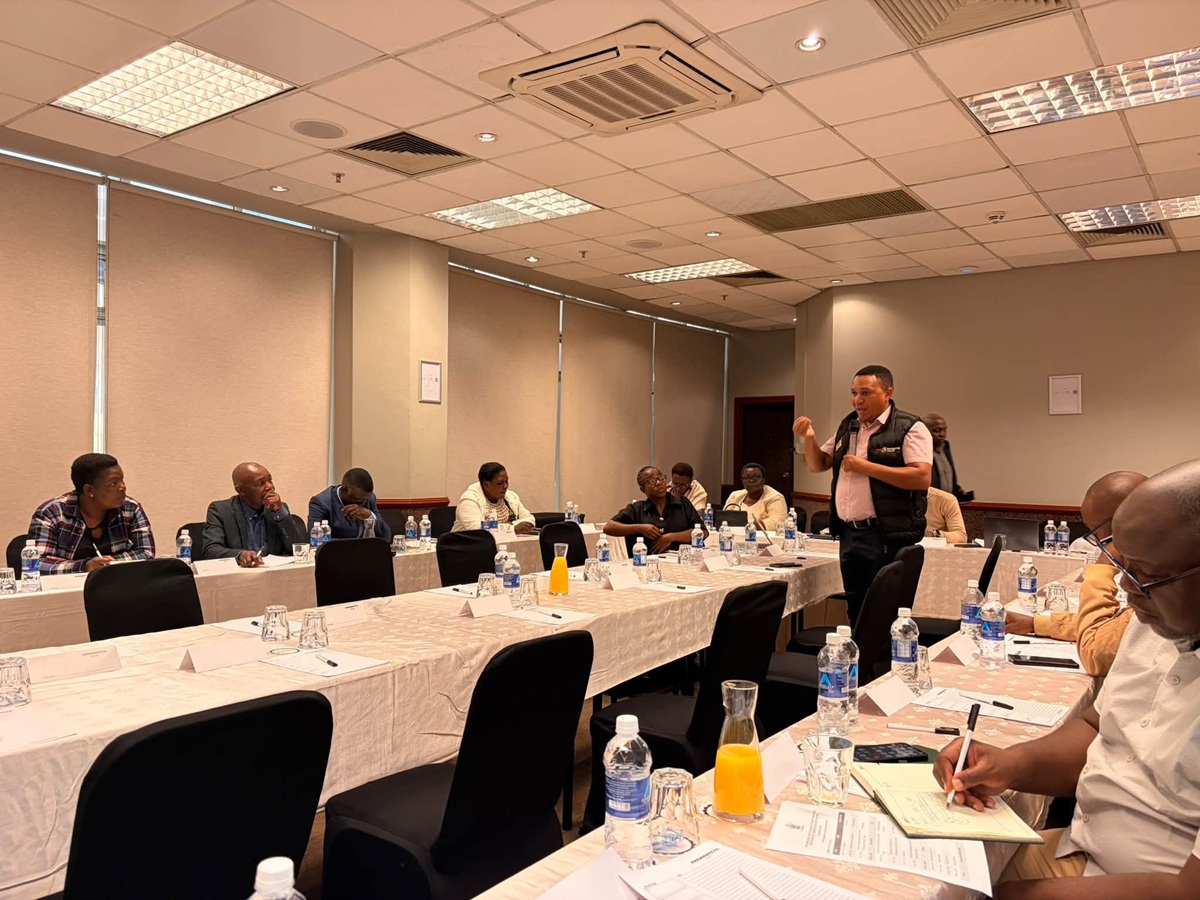
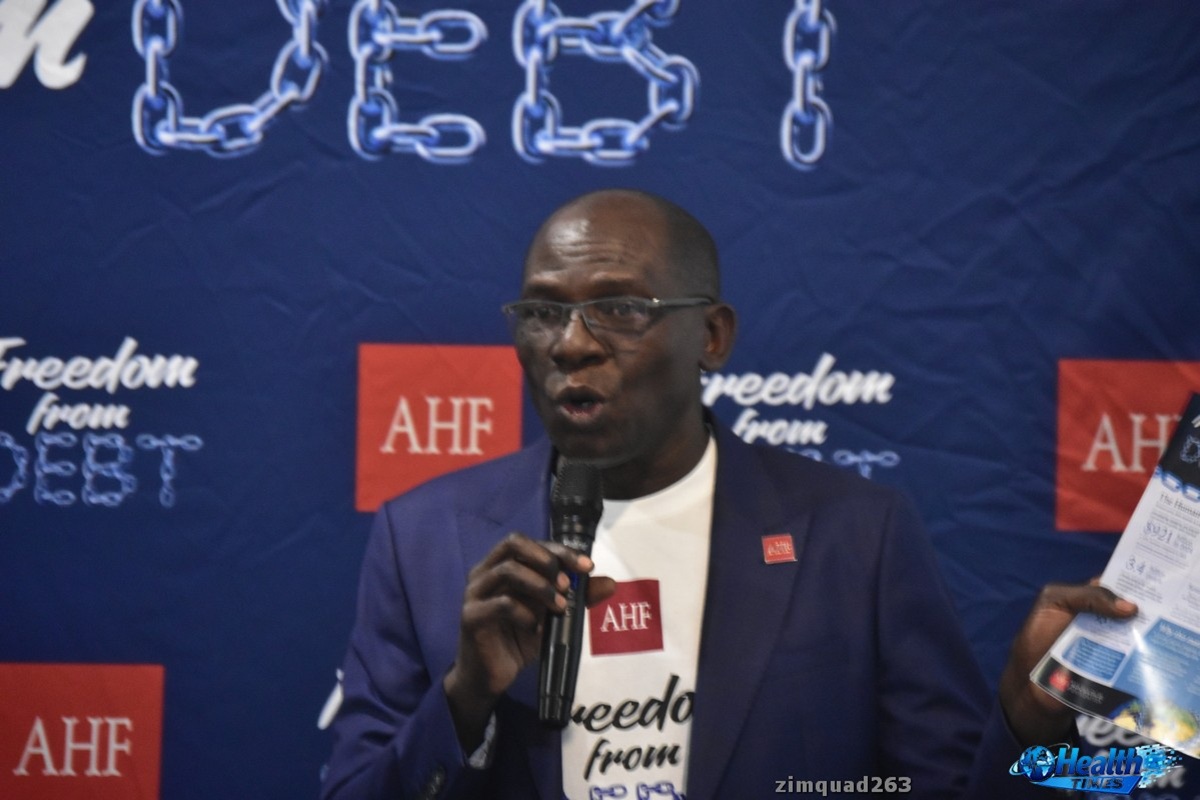
Speaking on the sidelines of a media forum in Harare, Kudakwashe Murisa from the Intersex Community of Zimbabwe (ICoZ) said: “Our court case seeks to ensure we have laws that protect us and ensure that births and other civil registry documents recognise us as Intersex, not force us into male or female categories.”
Murisa said the appeal arose from multiple rights violations, including non-consensual corrective surgeries. “We are appealing to the government of Zimbabwe to recognise us so we enjoy our human rights just like any other citizen. Right now, we feel like second-class citizens because we cannot fully access our rights.”

Due to lack of recognition, intersex people face stigma, discrimination, difficulties opening bank accounts, exclusion from public sector employment, and challenges stemming from mismatched documents. “Because of the mismatch between documents and who we are, securing formal employment is hard. Many of us end up in informal survival projects,” Murisa added.
The applicants include two minors represented by guardians and two adults, alongside the Health Law and Policy Consortium (HLPC) and the Intersex Community of Zimbabwe (ICoZ). One child struggled to enroll in school because their documents did not reflect their lived reality, while another faced bullying and barriers to education.
HLPC Board Chair Tinashe Mundawarara, in a founding affidavit, argued that the lack of safeguards against unnecessary medical interventions violates Section 52 of the Constitution, which guarantees bodily and psychological integrity. The affidavits also highlight that denying intersex children accurate documents undermines their constitutional rights under Sections 81 and 35, including the right to a birth certificate, national ID, and passport.
The case argues that these omissions perpetuate systemic marginalisation, violating constitutional guarantees of equality, non-discrimination, and dignity under Sections 56 and 51. Respondents include the Registrar-General of Zimbabwe, the Ministers of Home Affairs, Health, Justice, and the Attorney General.